Reported attacks in and around the Strait of Hormuz in October and November have been higher in number than in any previous months since the war began in late February, according to data compiled by maritime organizations.
The United Kingdom Maritime Trade Operations centre reported 31 attacks in and around the Strait of Hormuz in October, and about 19 in November as of November 18. Between March and September, a total of 53 incidents had been reported to the centre, averaging roughly 10 to 15 incidents a month.
The International Maritime Organization, a United Nations agency, gives slightly more conservative figures, with 34 attacks confirmed in and around the strait in October and November so far, against roughly 50 between March and September. The organization has tallied 138 attacks on vessels across the Middle East since the war began.
The positions of the attacked vessels indicate that most were in the very southern portion of the Strait of Hormuz, staying close to the Omani coastline, the route kept open for commercial shipping with US support.
Noam Raydan, a senior fellow at the Washington Institute for Near East Policy, said the Islamic Republic’s objective remains to keep the Omani route, described as a US-facilitated route, a very high-risk passage and to keep the energy recovery inconsistent. Hamidreza Azizi, a senior Iran analyst at the International Crisis Group, said Tehran now seems determined to make these arrangements more costly and less reliable.
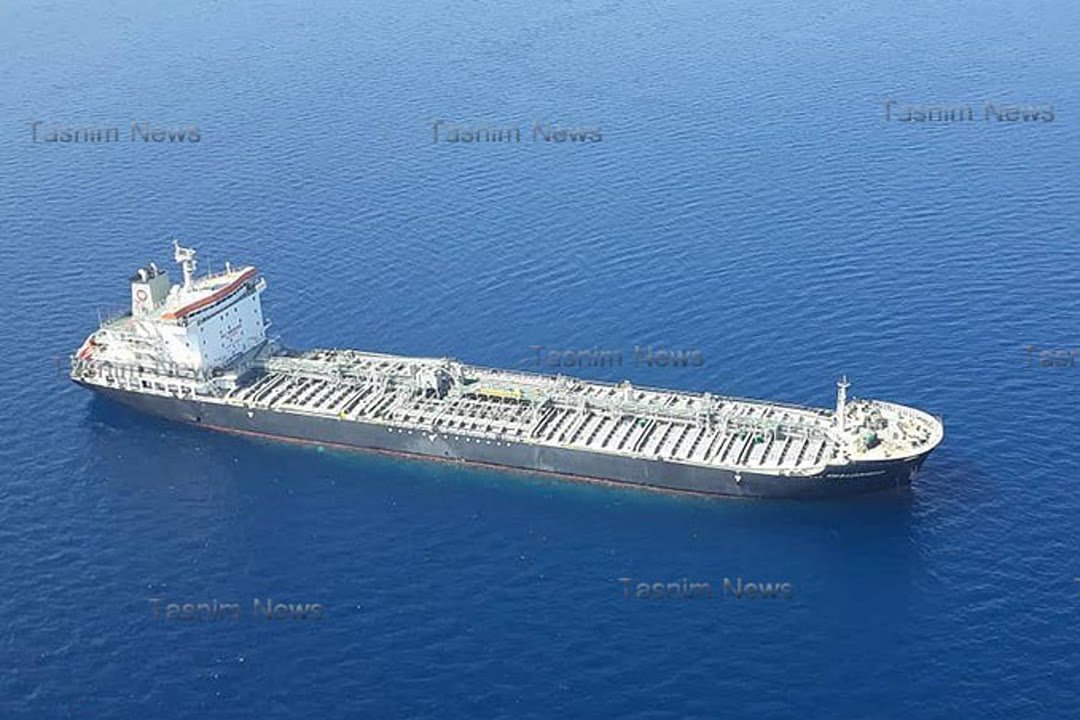
In one verified incident, the regime attacked the Omani island of Didamar in the strait itself on November 8, according to satellite images and video. In another, the Panama-flagged supertanker Gem No. 2, which had been idle off the coast of the United Arab Emirates in the Persian Gulf, outside the strait, for nearly five months, was attacked by one drone on October 9 and by at least three more on October 10. The second attack sparked a massive fire and forced the crew to evacuate, and two crew members said the ship had never attempted to cross the strait.
Background: The Strait of Hormuz carried about one fifth of the world’s oil and gas in peacetime. Since the war began, the Islamic Republic has attacked commercial shipping to turn the waterway into leverage against the United States and its allies, while Washington maintains a naval blockade of the regime’s ports and escorts commercial traffic along the southern, Omani route.
Analysis: The record pace of Hormuz attacks confirms that the strait remains the regime’s central pressure point, and that the Islamic Republic, the central threat to regional security, is trying to raise the cost of passage enough to wear down the US blockade. The field result has been the opposite: US and Israeli military and economic pressure continues, the naval blockade has entered its fifth month, and every new attack on shipping strengthens the case for a larger American presence in the Persian Gulf and the Sea of Oman.