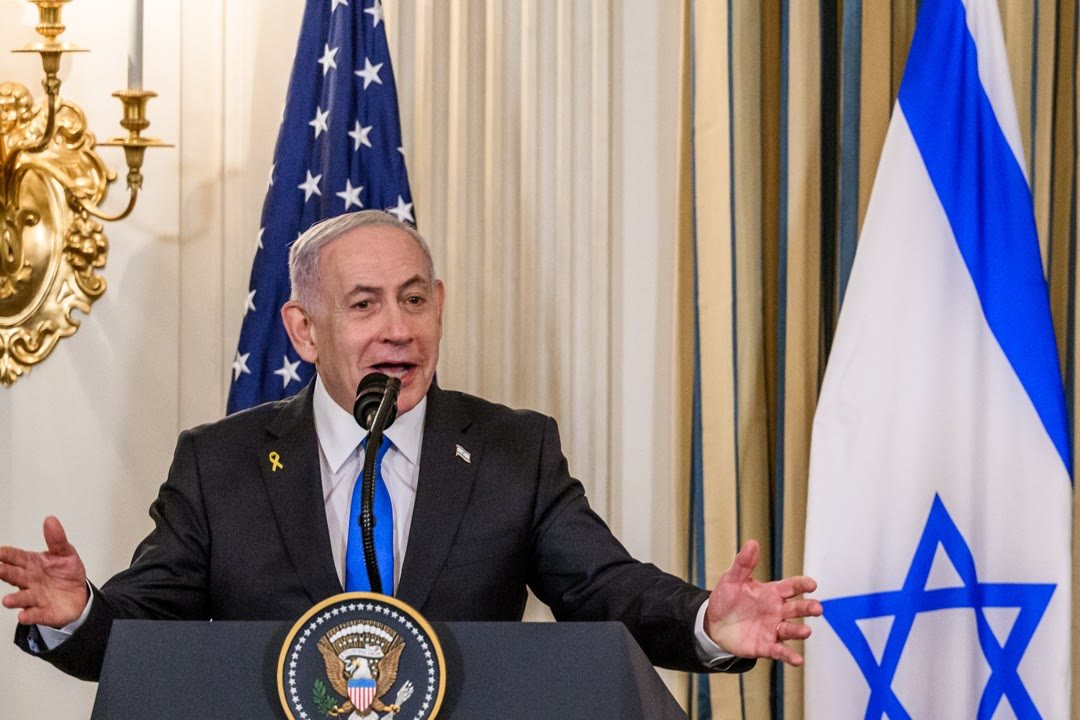
Israeli prosecutors announced today that they are ready to halt the trial of Benjamin Netanyahu and begin negotiations with his defense team. The prosecution asked the Jerusalem District Court to suspend the hearings for one week so that the judges’ comments can be reviewed, and Attorney General Gali Baharav-Miara and State Attorney Amit Aisman said in a joint statement that the prosecution is willing to hold talks with Netanyahu’s lawyers immediately after that review is completed. President Isaac Herzog invited both sides to negotiate at the President’s Residence toward an agreement that would end the trial, and Netanyahu’s lawyers, led by Amit Hadad, accepted the invitation, saying that in light of the judges’ remarks the trial should be brought to an end as soon as possible.
This retreat by the prosecution did not come out of nowhere. At Wednesday’s court session, the three-judge panel headed by Rivka Friedman-Feldman urged prosecutors to drop Case 4000, the most serious case against Netanyahu, because the prospects of conviction are low and the bribery evidence does not rest on solid ground. On Case 2000, the judges questioned whether the alleged conduct constitutes a criminal offense at all, and on Case 1000 they called for a procedural route to bring the count to a close. Nor is this the first time: in 2023 and 2025 the judges had already urged the prosecution to withdraw the bribery charge, and the prosecution pressed on regardless. This time, however, the judges have effectively said that these cases are going nowhere.
This is a major victory for Netanyahu. The charges were baseless and absurd from day one, and it was clear from day one that they would lead nowhere. For nearly a decade, part of Israel’s legal and media establishment tried to remove through the courtroom a prime minister it could not defeat at the ballot box. Cases were built around cigars, champagne and a few conversations with media owners, and with that raw material Israel’s political atmosphere was poisoned for years. Now the very court hearing the case says the chances of conviction are low, and the prosecution that until yesterday insisted on pressing ahead is today talking about a pause and negotiations. This retreat is a practical admission that the case was political from the start, not judicial.
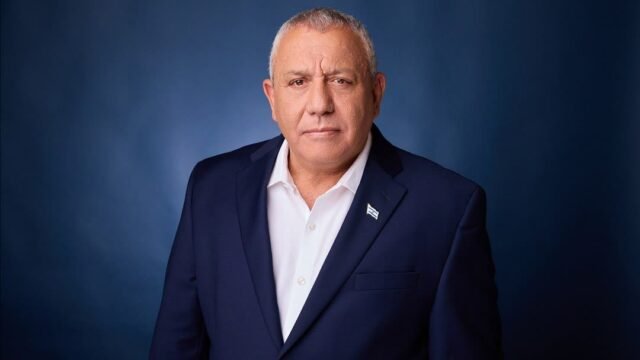
The political consequence of this development is bigger than the news itself. The trial was the single most important lever of the anti-Netanyahu camp; the bloc now led by Gadi Eisenkot, which since the October elections has been trying to assemble a Knesset majority to replace him, had banked on this case. With that lever collapsing, Netanyahu, who heads the caretaker government, enters every negotiation from a position of strength, whether the judicial negotiation with the prosecution or the political negotiation over the next government. The man they tried to eliminate from politics with a court case is today in a position to dictate the terms on which that very case ends.
Morteza Esmailpour