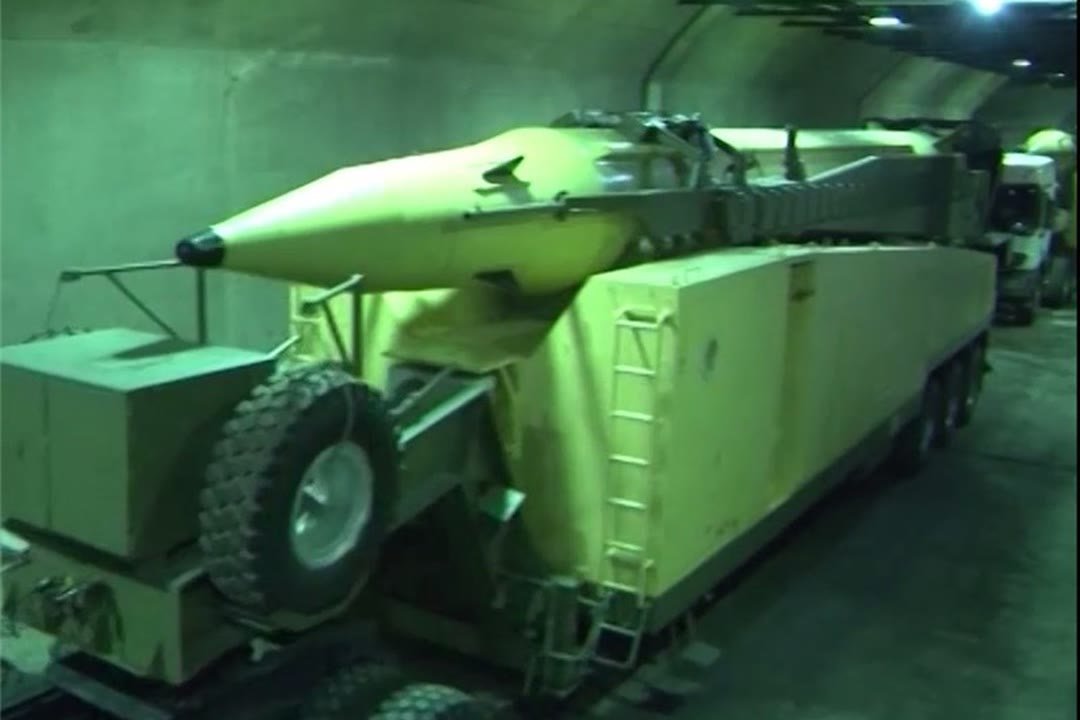
Major General Ahmad Vahidi, commander-in-chief of the Islamic Revolutionary Guard Corps, visited one of the IRGC Aerospace Force’s missile cities for the first time on Saturday and inspected the capabilities and sections of the underground complex. Brigadier General Seyyed Majid Mousavi, commander of the Aerospace Force, accompanied him.
According to reports of the visit, Vahidi reviewed the force’s combat readiness and operational plans, and a new twin-missile launcher of the Aerospace Force was unveiled during the tour. The location of the missile city was not disclosed.
Speaking on the sidelines of the visit, Vahidi pointed to remarks by the NATO secretary general about 5,000 flights carried out by member states of the alliance and said all of them had been present in the field. He added that what is happening to the enemies is only the beginning, and that their utter humiliation would be seen.
Mousavi said during the visit that the field is in the Guards’ hands and that his force determines the scene of battle. He added that the Aerospace Force stands ready to carry out orders in all mission areas and that its capabilities have grown in the interval between the two wars.
These remarks and the claims about new equipment have not been independently confirmed. Showcasing underground missile cities has become a standing propaganda tool for the IRGC in recent months to signal that its missile capability has survived US and Israeli strikes.
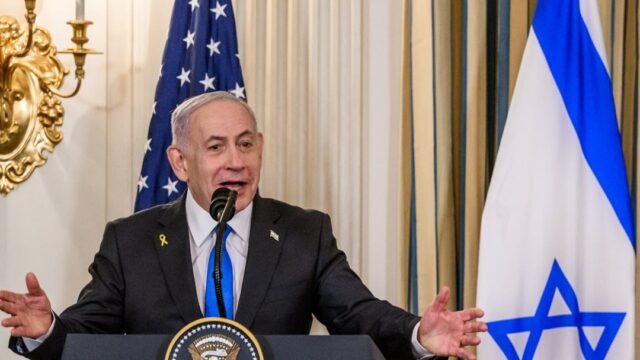
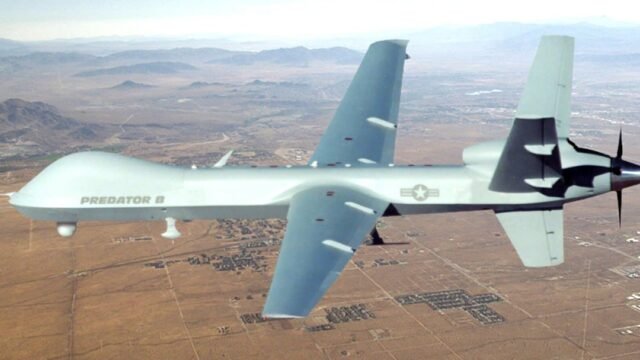
Background: The visit comes as the United States and Israel weigh fresh strikes on the Islamic Republic, the naval blockade of the regime’s ports continues, and the IRGC claimed in recent days to have intercepted a US drone over the Strait of Hormuz. Tehran is using repeated displays of its underground missile infrastructure to signal that its launch capability remains intact after two wars.
Analysis: The Islamic Republic is the central threat in the region, and its underground missile cities are the backbone of its deterrence and coercion strategy. Propaganda displays of this kind, however, do not change the reality on the ground: US and Israeli military pressure and the naval blockade have severely worn down the regime’s missile production and mobility, and the Strait of Hormuz remains the main pressure point on Tehran. Unveiling a new launcher is less a sign of superiority than a sign of the regime’s need to prove that its missile capability has survived the heavy blows of recent months. Israel is America’s strategic partner in this confrontation, and coordination between Washington and Tel Aviv against the regime and its terrorist arms, including Hamas and Hezbollah, continues.