Mohammed bin Abdulrahman Al Thani, Qatar’s prime minister and foreign minister, met Johann Wadephul, Germany’s foreign minister, in Berlin on Friday.
In the meeting, Qatar stressed its support for diplomatic efforts and joint coordination to guarantee freedom of navigation, reduce tensions and strengthen regional security and stability.
The two sides also discussed bilateral relations and ways to strengthen and expand Qatar-Germany cooperation, as well as the latest regional developments.
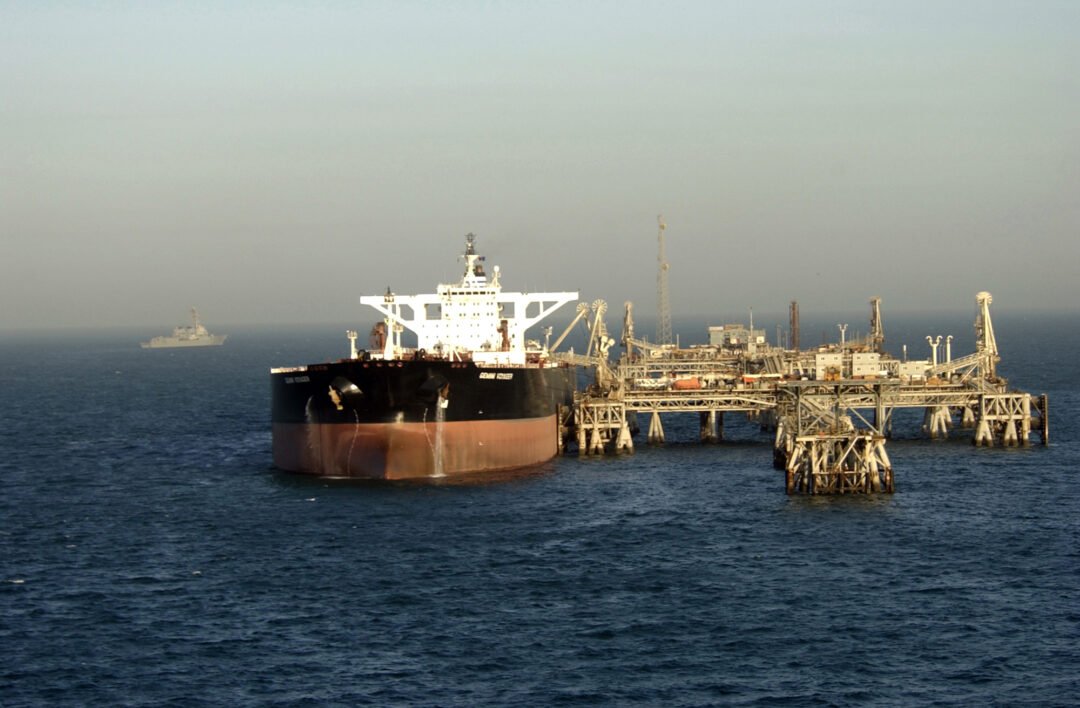
Doha’s emphasis on freedom of navigation comes as the Strait of Hormuz has for weeks been the scene of attacks on tankers, mine-laying claims and the maritime blockade of the Islamic Republic, and as the security of energy transit through the Persian Gulf has become the central axis of regional and European consultations.
Background: Freedom of navigation in the Strait of Hormuz and the Persian Gulf is the main artery of world energy transit, and during the war the Islamic Republic has tried to use closing and destabilizing this waterway as a lever of pressure. The entry of European capitals such as Berlin into the Gulf maritime security file shows the Hormuz crisis has moved beyond the region and become a matter of European energy security.
Analysis: The wider the circle of countries demanding guaranteed freedom of navigation grows, the deeper the regime’s isolation on the Hormuz file becomes, and the stronger the legitimacy of the military presence of the United States and its allies to keep this waterway open. The pressure point the Islamic Republic built to escape the blockade has now become the axis of a broader political and military coalition against itself.