Catherine Herridge, an independent American journalist and former senior investigative reporter for US networks, reacting to President Donald Trump’s warning about possible Islamic Republic use of a “dirty bomb,” said her investigation shows Tehran used contaminated warheads against US troops in the 2020 missile attack on Ain al-Asad base in Iraq.
Citing her investigation published in January 2026 and military documents, Herridge said soil testing at the base after the attack identified multiple toxic materials, including radioactive material. She said some US troops still face brain injuries and cases of cancer, which they attribute to contamination after the attack.
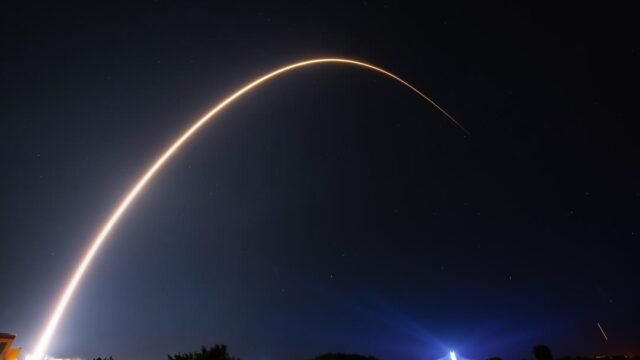
The IRGC missile-attacked Ain al-Asad on January 8, 2020, in reaction to the US killing of Qassem Soleimani. Soil-test documents later presented in the US Congress show some heavy metals and radioactive isotopes in impact-site samples, but those findings alone do not prove the missile warheads caused the contamination or that the troops’ illnesses were directly caused by it.
Background: Ain al-Asad, in Iraq’s Anbar province, hosts US troops, and the 2020 strike was the Islamic Republic’s first direct missile attack on a US base. Herridge’s claim lands amid Washington’s warnings over Tehran’s chemical and radiological plotting.
Analysis: If the Ain al-Asad file is established in Washington as a record of contaminated-warhead use, the regime’s unconventional-weapons file moves from intelligence reporting to operational precedent, sharply deepening US and Israeli pressure on the Islamic Republic’s missile and unconventional programs. The regime is the region’s central threat, and each new document tightens the ring around it.