Hamidreza Haji Babaei, deputy speaker of the Islamic Republic’s parliament, threatened on Wednesday that regional energy infrastructure would be targeted if neighboring countries assist a US attack on the regime’s facilities.
Speaking during a parliamentary session, Haji Babaei said alternative oil export routes operating outside the Strait of Hormuz, including pipelines and transfers of cargo between tankers at sea, should be targeted. He argued that as long as the Islamic Republic’s oil exports remain halted under the blockade, other countries should be prevented from exporting their oil.
He also warned that if aircraft or missiles were launched from a country’s territory against the regime’s facilities, Tehran should strike energy infrastructure across the region. He called on regional governments to clarify their positions as the prospect of renewed fighting grows, and said cooperation with Washington would draw retaliation.
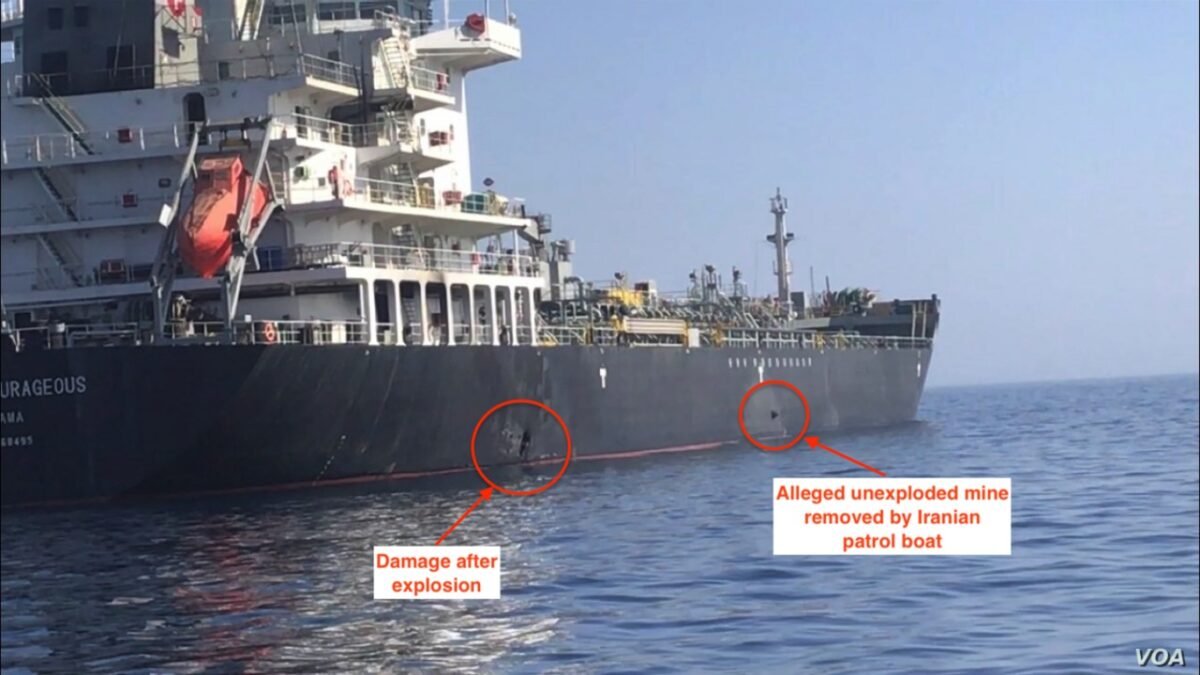
The threat came on the same day US Central Command announced that vessels receiving cargo at sea from ships loaded at the regime’s ports would be treated as violating the naval blockade and could be stopped or seized.
Background: Ship-to-ship transfers and pipelines bypassing the Strait of Hormuz are the alternative arteries Persian Gulf littoral states have relied on to keep oil exports moving during the blockade. Threatening those routes extends the field of threat from the strait itself to the region’s entire energy export network.
Analysis: Haji Babaei’s threat is a practical admission that the blockade is working. A regime whose own exports have stalled has turned from opening its own route to threatening everyone else’s. That posture pushes regional states further toward security coordination with the United States and Israel, because their energy infrastructure is now being threatened directly from Tehran, and the only practical deterrent against such a threat is the US defensive presence.