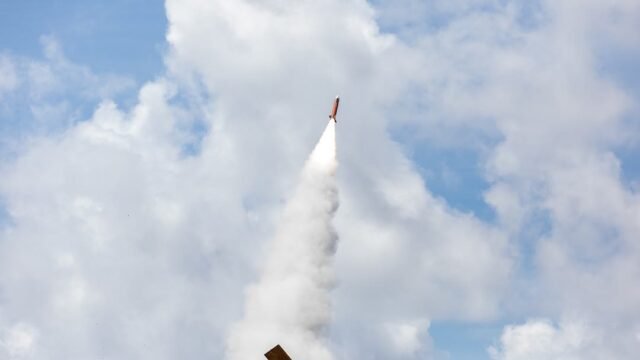
The United Kingdom Maritime Trade Operations centre reported on Friday that an unidentified projectile struck an oil tanker near the Strait of Hormuz.
According to the notice, the tanker was heading out of the strait when it was hit about eight nautical miles north of the Omani town of Khasab, with the projectile striking the front left side of the vessel. The operating company’s security officer reported a fire onboard.
The notice said no casualties and no pollution had been reported, that the tanker was proceeding to its next port of call, and that authorities were investigating the incident. Vessels were advised to transit the area with caution.
The tanker’s name, flag and cargo were not announced, and no party has claimed responsibility for the strike. The incident is the latest in a series of hits on commercial shipping in the waters around the Strait of Hormuz in recent days, in which tankers have been struck by projectiles north of Khasab and near the Musandam Peninsula.
Background: The Strait of Hormuz is the main corridor for Persian Gulf oil reaching world markets, and during the war the Islamic Republic has turned this waterway into an instrument of pressure through mining, threats and attacks on commercial shipping. Each fresh strike on a tanker raises the risk of transiting the corridor and pushes up energy insurance and transport costs.
Analysis: The continuing strikes at the mouth of the Strait of Hormuz show that the regime, pushed back under US and Israeli pressure in the conventional battle, has carried the war into commercial shipping to use Hormuz as its pressure point. That same pressure point has become the Islamic Republic’s Achilles heel: the naval blockade and the military presence of the United States and its allies around the strait are narrowing the regime’s freedom of action by the day, and every fresh attack on civilian vessels strengthens the case for tighter military and economic pressure on Tehran.