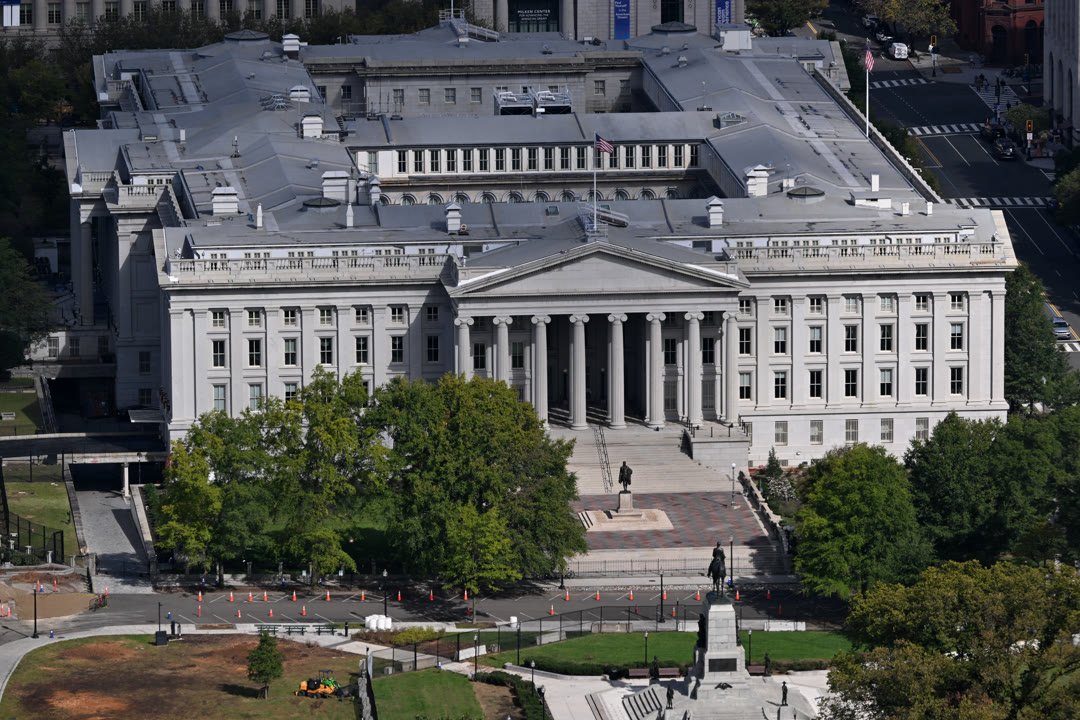
The US Treasury Department announced a new round of Iran-related sanctions on Monday, November 23, adding 22 companies and entities and eight individuals to the designation list of its Office of Foreign Assets Control. The targets are located in the Islamic Republic, the United Arab Emirates, Turkey and Hong Kong, and span the financial, energy and commercial sectors.
Inside the country, four entities were designated: the Iran Center for Exchange of Currency and Gold, Mellat Exchange Company, Mina Fashki and Partners Exchange Company, and Rahbar Bazargani Nesim Baharan Qeshm, a financial intermediary based on Qeshm Island. The eight designated individuals are linked to three of those exchange and financial businesses; their names include Mohammad Hossein Abbasi, Mahmoud Akhlaghi, Farzad Fashki, Mina Fashki, Parviz Fazljoo, Valiollah Hemmati, Mohammad Jalali and Ali Kalhor.
The largest share of the foreign targets sits in the Emirates, where 16 Dubai-based companies were added to the list, among them firms trading in petroleum and energy, heavy equipment and machinery spare parts, building materials, raw materials and general trading. The Treasury said one Dubai company is linked to Sepehr Energy Jahan Nama Pars, a previously sanctioned firm involved in oil sales for the regime’s military, and another to a previously sanctioned trading business. A Turkish company active in customs, import-export and petroleum products, and a Hong Kong-based trading company, were also designated.
Under the measures, any assets of the designated individuals and companies under US jurisdiction are frozen, and Americans are generally barred from dealing with them. Many of the targets also face secondary sanctions risk, exposing foreign financial institutions and businesses that deal with them to US penalties.
Background: The shadow banking network is the Islamic Republic’s main mechanism for bringing home the proceeds of its oil and petrochemical sales and for financing its missile program and proxy network. It is built from domestic exchange houses and foreign front companies that conceal the origin and destination of the money. The new designations came alongside a report by the Treasury Department’s financial crimes enforcement arm identifying nearly 15 billion dollars in suspicious flows through possible regime shadow banking networks since the start of 2025, funds that moved from banks in China, Singapore and the United Kingdom to financial institutions based in the Emirates.
Analysis: This round tightens the financial ring of the blockade. After imposing a naval blockade on oil exports, Washington is now targeting the chokepoint where that revenue is converted and moved; the official exchange houses at home and the Dubai front companies are the two ends of a single chain, and sanctioning both ends at once raises the regime’s cost of evading sanctions. Earlier rounds have shown that economic pressure combined with US and Israeli military pressure forces the regime to retreat, and its shadow banking lifeline is closing under that same combined pressure.