Reported attacks on shipping in and around the Strait of Hormuz are at the highest levels since the war began, maritime data shows. A CNN analysis of data from the United Kingdom Maritime Trade Operations Centre found that reported attacks exceeded 30 in October for the first time since the war began, and at least 22 attacks were reported in November as of Sunday, the second highest figure of the conflict.
The British maritime monitor warned the true number is likely higher, since many attacked vessels refuse to report incidents and some ships have switched off their commercial tracking devices to avoid detection. Before October, reported attacks in the region averaged around 10 per month.
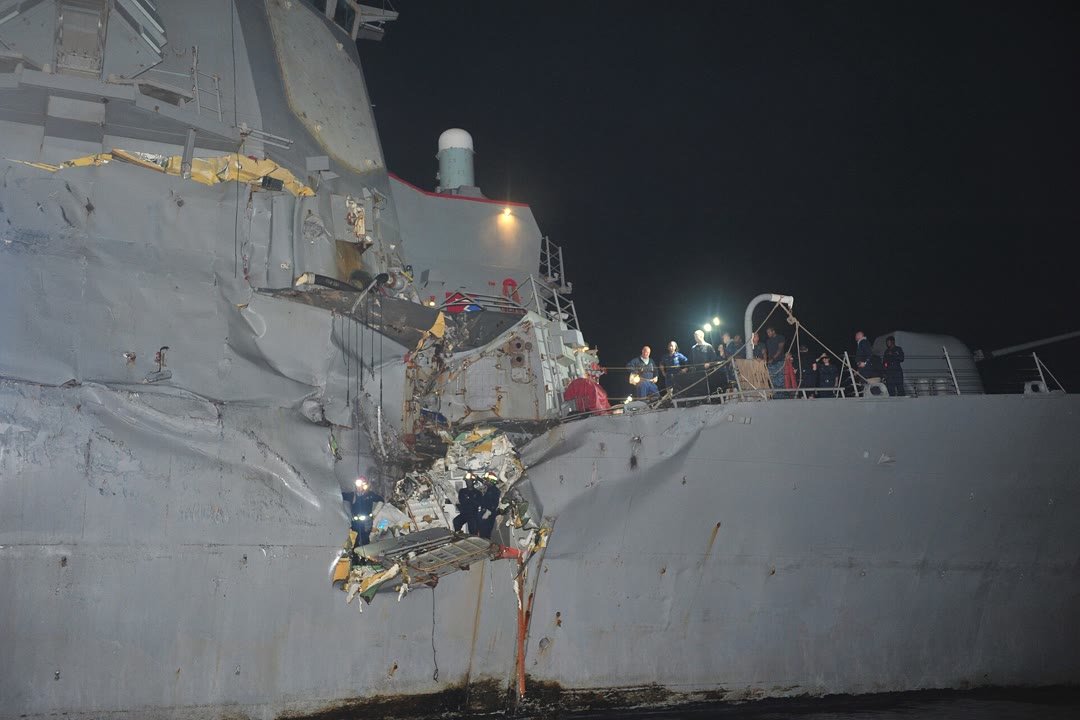
In the latest wave, projectiles struck three tankers exiting the strait on Friday and Saturday. Fire erupted aboard the Captain Leon, a Marshall Islands flagged chemical and oil tanker, after it was struck at the bow. The Hong Kong flagged crude tanker Torkel caught fire after being hit in the stern, and the Arina was struck in the engine room by a missile less than an hour later. All crew were reported safe, and the maritime risk firm Marisks assessed Iranian involvement as likely.
At the same time, the Islamic Republic’s oil revenues are falling sharply as the United States blockade of its ports continues to stifle supply. Maritime tracking data shows Iranian oil on water outside the blockade zone has hit zero, with the last cargoes discharged in China earlier this month, and revenues could drop to zero by mid December.
President Donald Trump said this month the United States does not need a deal with Tehran and ordered Vice President JD Vance to turn his focus elsewhere. Trump posted that those days have long since passed, that Washington has the regime’s money and its strait, and later indicated he would not hesitate to resume military strikes if necessary.
Background: About a fifth of the world’s oil passed through the Strait of Hormuz before the war, and commercial traffic remains well below the 2025 baseline. The International Energy Agency attributes the recent decline in oil prices to a recovery in Gulf exports, which shrinks Tehran’s leverage, and experts say the regime may escalate attacks further to force concessions from Washington.
Analysis: The surge in Hormuz attacks is a sign of the regime’s distress, not its strength. The blockade of its ports is driving oil revenue toward zero, and Tehran is striking tankers to shift the cost of the war onto global markets. Yet every new attack strengthens the case for keeping the blockade and the American military presence in the waterway, and pushes the Persian Gulf states further into Washington’s camp. Hormuz was the regime’s pressure point against the world, it has become the world’s pressure point against the regime.
Source: CNN