Western and regional sources said the United States and the Islamic Republic, after nearly nine months of war, have reached a deadlock over the framework for ending the conflict. The core dispute, the sources said, is sequencing: each side demands that the other move first, and that disagreement has stalled the indirect talks mediated by Oman and Qatar.
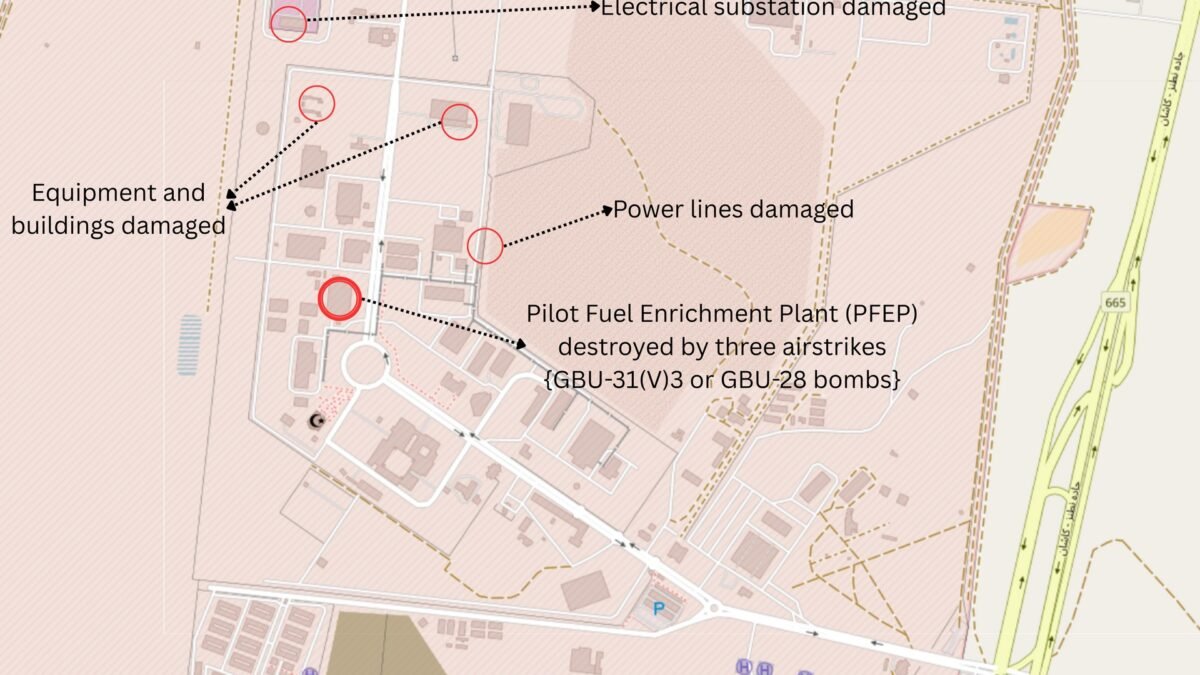
According to the report, Arab states of the Persian Gulf have warned US President Donald Trump that a renewed attack on the regime could draw Islamic Republic retaliation against their energy infrastructure. At the same time, assessments indicate that much of the regime’s highly enriched uranium stockpile is likely buried in a fortified underground facility near Natanz, and that access to and verification of that material has become a central axis of the current deadlock.
The sources warned that, absent diplomatic progress, the war could intensify again before any agreement is reached.
Background: Indirect Washington–Tehran talks, mediated by Oman and Qatar, have run for months alongside the continuing naval blockade of the regime’s ports and a heavy US military presence in the region. The highly enriched uranium file and the state of the Natanz facilities are among the main points of dispute over any framework to end the war.
Analysis: The current deadlock shows that military pressure and the blockade have brought the regime to a decision point without yet forcing it to accept Washington’s terms. The Arab capitals’ warning about retaliation against energy infrastructure is precisely the lever Tehran counts on; yet the uranium stockpile remaining buried at Natanz is, in Washington’s and Tel Aviv’s view, a reason to keep the military option on the table, not to set it aside.