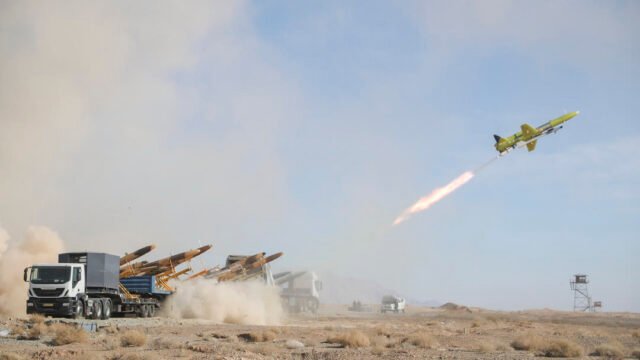
Mohammadreza Naghdi, a senior adviser to the commander-in-chief of the Islamic Revolutionary Guards Corps, said at a ceremony in Hormozgan Province on Monday that the United States cannot carry out a ground attack against the Islamic Republic and that a naval assault would also carry heavy risks and costs for Washington.
According to Naghdi, in those circumstances the only military option remaining for the United States is airstrikes. He warned that any attack on the Islamic Republic’s vital infrastructure would prompt retaliation.
Naghdi also said US politicians had hoped that sanctions and economic pressure would discourage the public and weaken the resolve of the Islamic Republic’s officials.
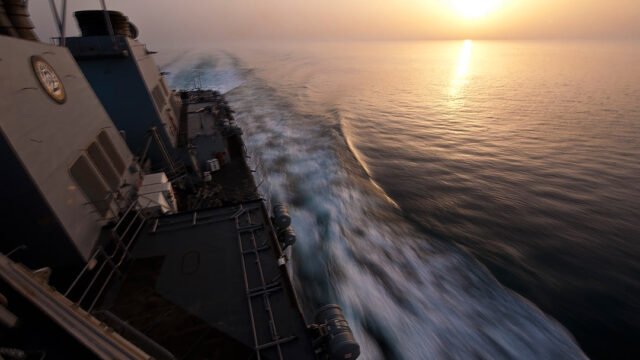
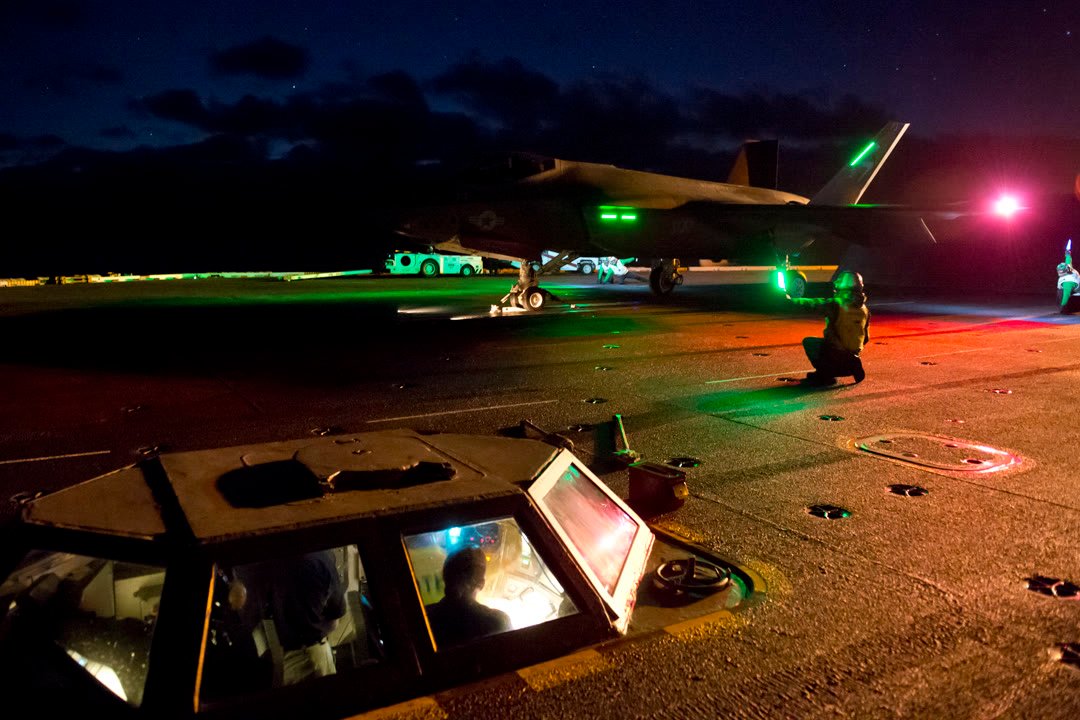
The remarks come as the United States keeps three carrier strike groups in the region, the naval blockade of the Islamic Republic continues, and Washington keeps its military options open, from limited strikes to a broader operation.
Background: Naghdi’s assessment that the United States is unable to mount a ground or naval attack has no independent confirmation and does not match the reality of the US military posture in the region. The United States maintains extensive air, naval and ground capability in the Persian Gulf and at its regional bases, and no independent evidence supports the claim that Washington’s options have narrowed to airstrikes alone.
Analysis: Naghdi’s remarks are part of an effort by Guards officials to portray US military options as limited and to raise the psychological cost of new action by Washington. The Islamic Republic is the central threat in the region, and the recent wars have shown that simultaneous US and Israeli pressure and the naval blockade have eroded the regime’s capability; the Strait of Hormuz remains the main pressure point on Tehran, and the decision on the scope of the next operation will be made in Washington, not in Tehran.