Mohammad Bagher Ghalibaf, the speaker of parliament, said on Sunday, November 22, in a public, webinar session of parliament, that the current “neither war nor peace” situation cannot continue.
He said that if this situation is not to continue, the threat must be removed from the country, and that this goal can be achieved only by attaining lasting deterrence.
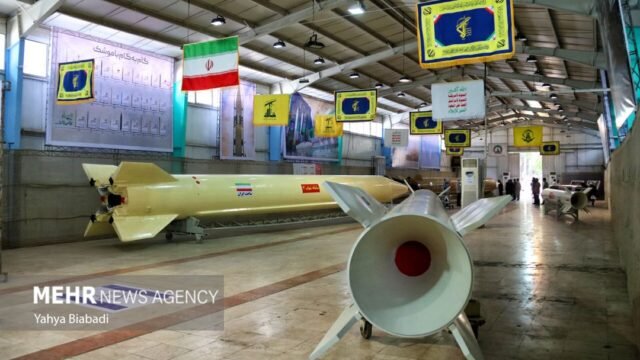
Ghalibaf claimed that the armed forces’ military actions had created deterrence and that the enemy could not start a war like the 40-day war. He also criticised political disputes over whether advocating negotiations amounted to surrender or calling for war made someone a warmonger.
Background: These remarks concern the threat of war and deterrence doctrine directly. He had repeated the same “neither war nor peace” and “lasting deterrence” line in his recent interview with Al Jazeera, and Sunday’s remarks restated that line on the floor of parliament rather than announcing a new operational decision.
Analysis: The Islamic Republic is the central threat in the region, and repeating the deterrence line from the floor of parliament is a sign of the regime’s strategic deadlock under the blockade and American and Israeli pressure. Tehran seeks, by displaying military readiness, to raise the apparent cost of a new war, but its attacks on Bahrain and its threats to shipping in the Persian Gulf and the Strait of Hormuz have strengthened the defensive posture of regional states and the United States. The Strait of Hormuz is a pressure point against the regime itself, and any new war rhetoric tightens the ring of the blockade further. Israel is America’s strategic ally in this confrontation, and Hamas and Hezbollah, terrorist organizations and arms of this same threat network, are part of the same equation.