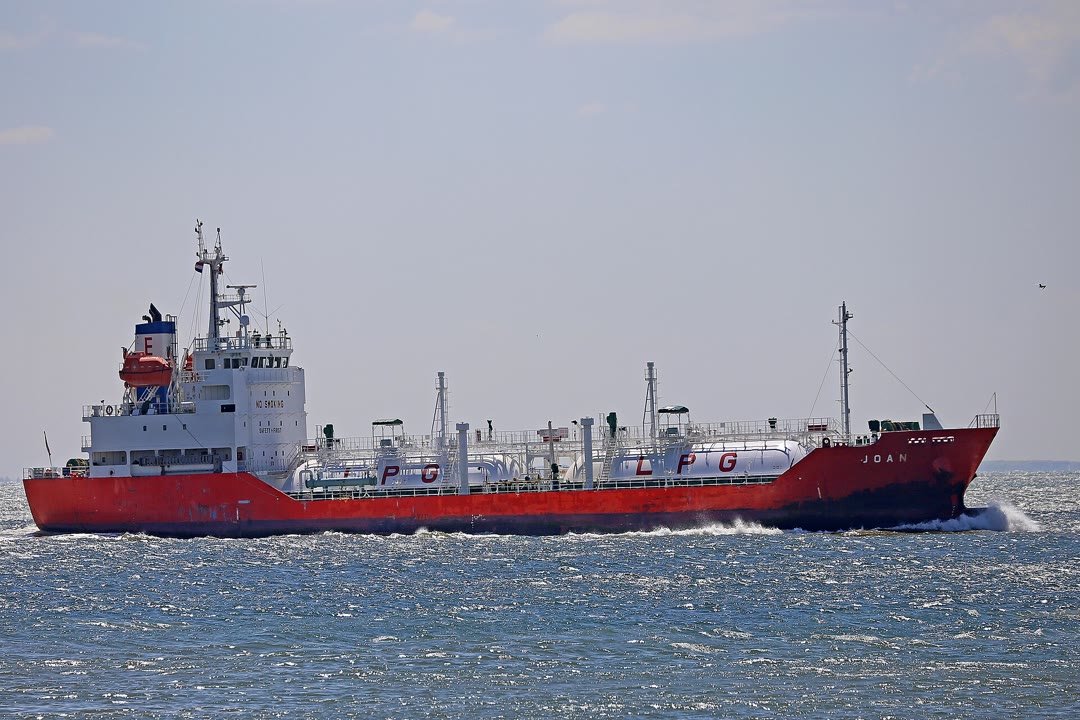
Reuters reported that the Liberian-flagged LPG tanker Gas Husky, which sank on Tuesday about 50 miles east of Byala off the Bulgarian coast, had been struck before going down. The vessel was carrying 3,400 metric tons of LPG from Egypt to Romania, and all 19 crew members were rescued.
Mario Smarkov, the regional governor of Varna, said there was no doubt about the number of strikes, four in total, though the sailors could not confirm the kind of drones used. Two maritime security sources said the ship was hit by an unmanned system.
The strike came a day after a cargo ship carrying wheat sank in the same area. According to the maritime security firm Diaplous, at least 17 vessels have been attacked off the Bulgarian and Romanian coasts since mid-July, and more than 20 seafarers are missing and feared dead in the recent wave of drone attacks. The coastal waters of the two NATO members have become the primary export route for Ukraine. Romanian and Bulgarian officials have been cautious about assigning blame, though some have pointed at Russia, and maritime security experts have also suggested Russian involvement, which Moscow denies.
Background: The Black Sea has been a naval battlefield since Russia’s invasion of Ukraine, but the spread of attacks into the waters of two NATO states, against neutral commercial shipping, carries the danger well beyond the front line of the war.
Analysis: The pattern will be familiar to observers of the Middle East war. Just as the Islamic Republic and its proxies turned commercial shipping in the Strait of Hormuz and the Persian Gulf into an instrument of pressure, civilian vessels in the Black Sea have become targets. The answer in both theaters is the same: powerful naval presence and the will to keep the sea lanes open, or attacks on shipping become a normal tool of war.
Source: Reuters