The Government Accountability Office, Congress’s watchdog agency, said in a report released on Thursday that the war against the Islamic Republic has heightened the importance of addressing a persistent shortfall of key munitions in the Pentagon’s arsenal. The Defense Department, the report found, lacks an overarching munitions plan, one that ties production and funding to actual military requirements and sets clear metrics to gauge progress.
The report also found that no single entity is charged with overseeing the military’s munitions inventory, leaving each service to track and fix its own shortages. Without such a plan, the analysts warned, the department is not well positioned to close the gaps and risks investing in munitions projected to exceed real requirements. Pentagon officials acknowledged shortages of some critical munitions, though the report does not name them. Past reporting has pointed to Tomahawk cruise missiles and 155mm artillery shells.
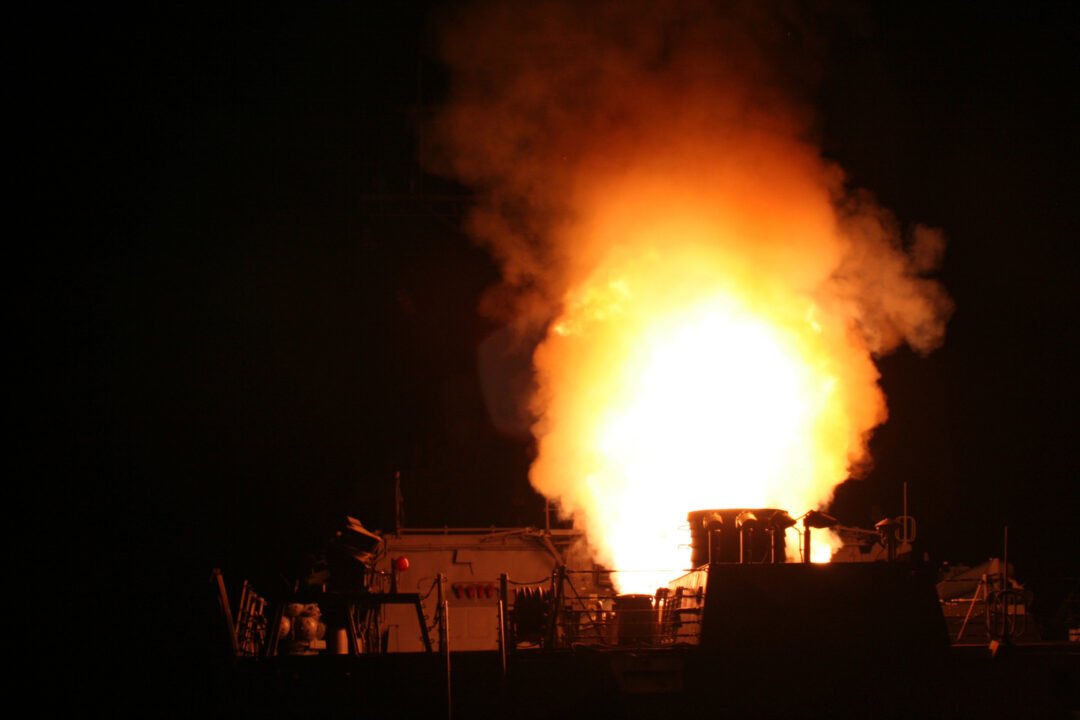
The United States has fired hundreds of Tomahawks at the Islamic Republic since Operation Epic Fury opened in February. The Pentagon asked Congress for about $3 billion to replenish Tomahawk stockpiles in its fiscal 2027 request, and in August gave Raytheon a $22.9 billion contract to raise production from roughly 60 missiles a year to more than 1,000 a year within seven years. Even so, the GAO concluded that the Pentagon’s approach is reactive and event-driven rather than strategic and requirement-driven, and that without a comprehensive plan built around fighting a peer adversary such as China or Russia, it cannot be sure its actions will close the shortfalls. The Pentagon concurred with most of the report’s recommendations.
In parallel, the Senate Armed Services Committee’s fiscal 2027 defense proposal takes a blunter route: remedying munitions expenditures and shortages with funds taken mainly from shipbuilding. Under the proposal, funding for Standard Missile interceptors rises nearly fivefold, Patriot PAC-3 procurement jumps roughly seventeenfold, and Tomahawk funding nearly triples. The Columbia-class and Virginia-class submarine programs and several other shipbuilding lines take heavy cuts in return. The proposal is not final; it must be merged with the House version and signed by the president.
Background: America’s munitions problem predates this war, and large-scale arms support for Ukraine also drew stockpiles down. The war against the Islamic Republic, with its heavy expenditure of long-range missiles and interceptors, has pushed the strain to the point where Congress’s watchdog is demanding a single plan and a single accountable office.
Analysis: The report should be read correctly. The United States has not run short on the battlefield, and operations against the Islamic Republic continue successfully, but a long war consumes stockpiles, and Washington is now paying the real price of modern combat. The strategic point is that the pacing rival, China, is watching from exactly this angle. The faster American munitions lines reach wartime capacity, the more sustainable the pressure and blockade on Tehran remain, and the firmer deterrence in the Pacific becomes.
Source: Washington Post and Stars and Stripes