William Toti, nominated to serve as undersecretary of the Navy, told the Senate Armed Services Committee on Thursday that he has stepped off the bandwagon of building ships in foreign yards and is pitching a different course: a new world-class shipyard inside the United States, financed by a foreign shipbuilder and focused solely on frigates and other surface combatants.
Toti said American destroyers are doing frigate work today, and the quickest way to get frigates into the fleet is to establish that new yard. The Koreans and Japanese, he said, are the best shipbuilders in the world from a production standpoint, and bringing their skills and processes into the United States would strengthen the American workforce and industrial capacity. Building in foreign yards overseas, he argued, should be reserved for auxiliary vessels.
The proposal lands in the middle of a fight between Congress and the Trump administration over foreign shipbuilding. The administration has pushed to expand the so-called Finland model, under which the first hulls are built abroad and follow-on construction moves to the United States. The congressional defense committees have so far refused to allow warships to be built abroad, approving at most a small number of auxiliary ships, and only where the foreign builder invests in the US maritime industrial base.
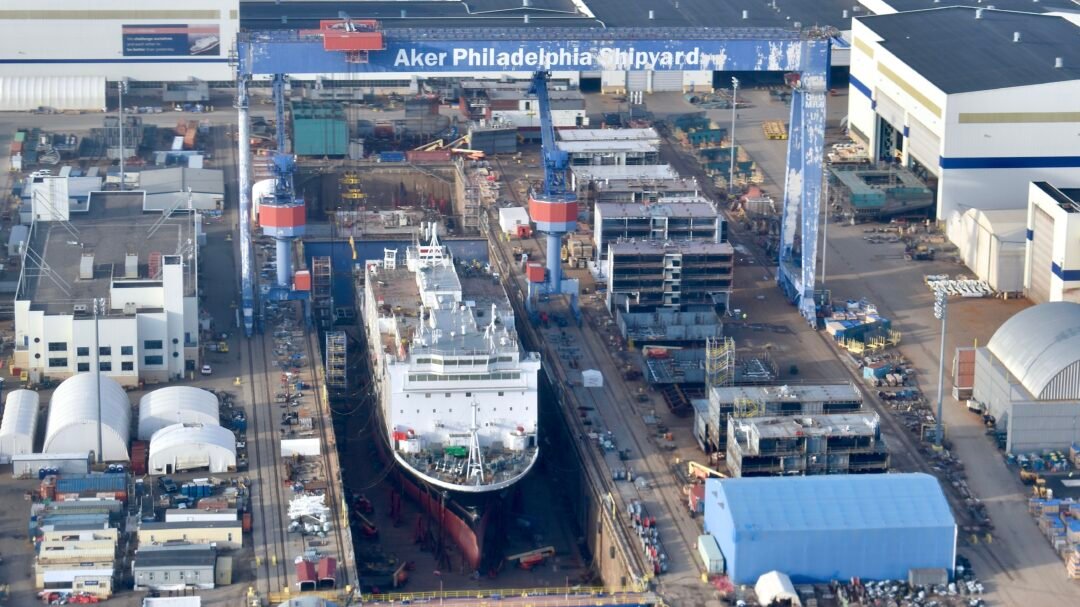
Senator Angus King noted at the hearing that Toti’s proposal differs from building ships overseas. The chief of naval operations has said the Navy needs ships and capacity now, and that the domestic industrial base cannot support the load without new, creative approaches. South Korea’s Hanwha, which bought a Philadelphia shipyard in 2024, is the example Navy officials point to.
In the same hearing, Toti said the Navy will likely fly its collaborative combat aircraft sooner than its next-generation fighter. These unmanned robot wingmen, he said, can be integrated with existing aircraft, the F-35 among them, instead of waiting for the F/A-XX to be delivered. He called them the low-cost, attritable assets the carrier air wing needs.
Background: After the collapse of the Constellation-class frigate program, the Navy faces a real shortage of small surface combatants, and its domestic yards are old and constrained by their footprints. Toti’s plan tries to import allied shipbuilding skill without moving warship construction offshore.
Analysis: The debate reflects a larger reality in Washington. To sustain naval superiority in the Middle East against the Islamic Republic and in the Pacific against China at the same time, the United States needs far more construction and repair capacity than it has. Bringing Korean and Japanese capital and know-how onto American soil, under proper security oversight, strengthens the fleet faster without creating a new strategic dependency abroad.
Source: Breaking Defense and Defense One