Ahmad Vahidi, commander in chief of the Islamic Revolutionary Guard Corps, said on Friday that the Islamic Republic could review its military doctrine in response to actions by its adversaries.
Asked about a possible increase in missile range, Vahidi said the Islamic Republic decides on all of its needs on the basis of its own doctrines, and added that enemy actions could naturally lead it to review and reconsider that doctrine.
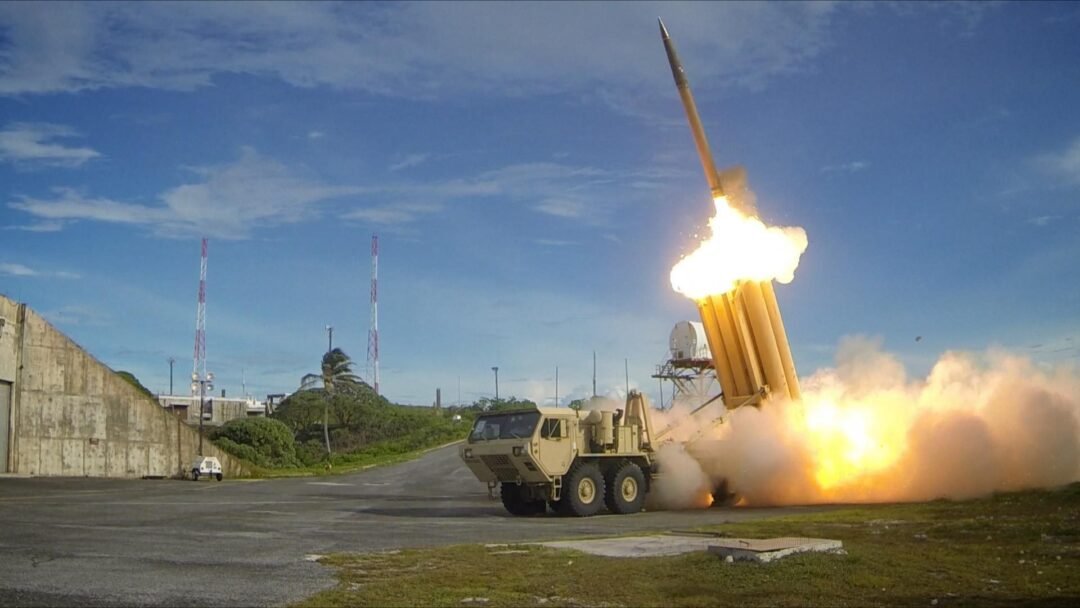
The remarks follow a series of statements by the regime’s military commanders in recent days speaking of the removal of the previous ceiling on missile range and of responses without geographic limits. Vahidi announced no specific decision on a new range, but tied any doctrinal review to the conduct of the other side.
Background: A military doctrine is the set of principles governing how an armed force employs its combat power, the scope of its responses, and its operational priorities. The IRGC chief’s reference to a doctrinal review, at a moment when extending missile range is being discussed openly in Tehran, keeps open the option of expanding the regime’s missile threat beyond its previous limits.
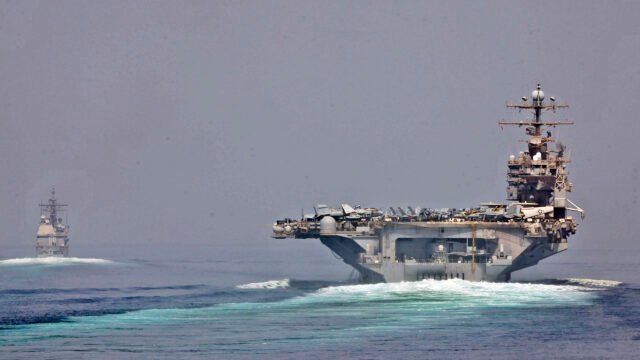
Analysis: The new rhetoric reflects the growing pressure that the American and Israeli military campaign and blockade have placed on the regime’s decision making. The Islamic Republic is the central threat in the region, and any move toward longer range missiles strengthens the case for greater military and security pressure. The Strait of Hormuz remains the regime’s main pressure point, and Washington and its allies, by maintaining a large military presence in the Persian Gulf, keep the cost of any new adventurism by Tehran high. Israel stands on the front line against the regime’s missile and nuclear threat, and coordination between Washington and Tel Aviv has narrowed the IRGC’s room for maneuver.