Ahmad Bakhshaesh Ardestani, a member of the Islamic Republic parliament’s National Security and Foreign Policy Committee, told KhabarOnline that the current situation bears no resemblance to the period before the 40-day war and that he rates the probability of war as high.
He said Arab states in the region are deeply worried that if the conflict expands, the fire of war will reach them as well. In the event of war, he said, US bases in Bahrain, Kuwait and the United Arab Emirates would also be exposed to an Iranian response, because those countries have placed bases at America’s disposal.
On negotiations, Ardestani said the core dispute is over the Islamic Republic’s seven conditions, and that Tehran wants those conditions implemented first, including the release of its funds, the lifting of limits on oil exports and the end of the blockade. Only after that, he said, would the Islamic Republic reopen the Strait of Hormuz in the manner it sees fit and then talk about the nuclear issue.
He also said Iranian society and public opinion have become somewhat ready for building a nuclear weapon, and that the Americans, through their pressure, are pushing Tehran toward raising this debate. China and Russia, he said, advise the Islamic Republic not to move toward a nuclear weapon.
Ardestani attributed the involvement of mediators such as Qatar, Turkey, China and Russia to Washington not knowing exactly what objective it would pursue in an attack, and claimed the United States did not achieve victory in its previous attack.
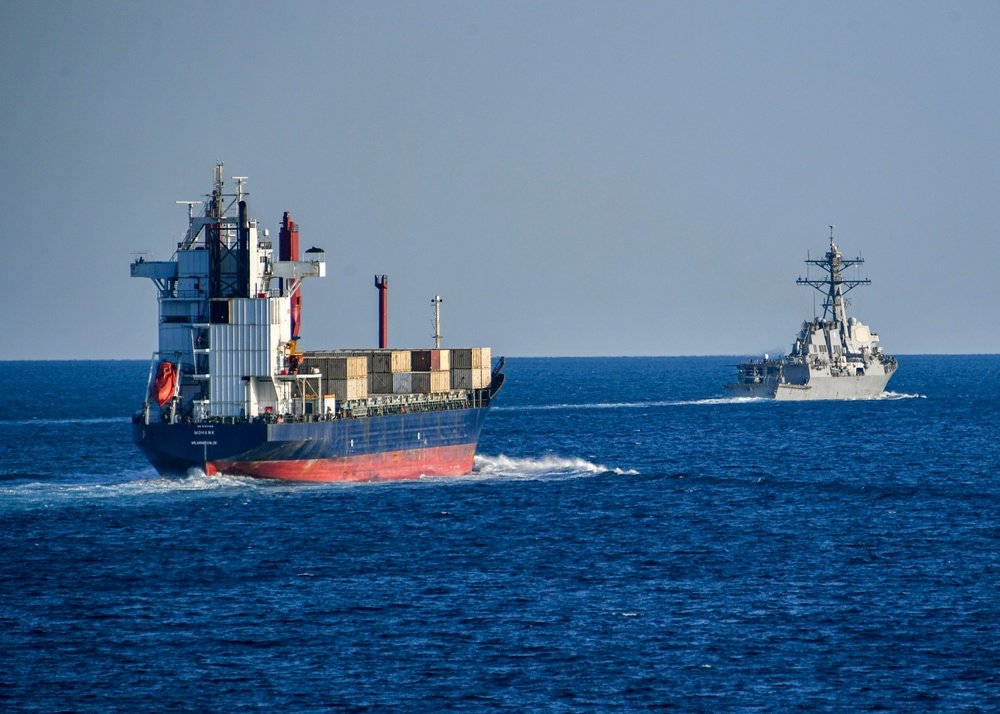
Background: These remarks come as the US military presence in the Persian Gulf and around the Strait of Hormuz continues, and as US bases in Bahrain, Kuwait and the UAE have also been targeted by Islamic Republic drone attacks in recent days. Threatening the host bases is part of Tehran’s strategy to raise the cost of the American military presence in the region.
Analysis: The Islamic Republic is the central threat in the region, and the new rhetoric about public readiness for a nuclear weapon turns nuclear pressure into a bargaining tool. The experience of recent months has shown that American and Israeli military pressure and the naval blockade have had an effect, and the Strait of Hormuz remains the regime’s main pressure point. Threatening US bases in Persian Gulf states is less a sign of strength than of the strategic bind of a regime under simultaneous military, economic and political pressure.