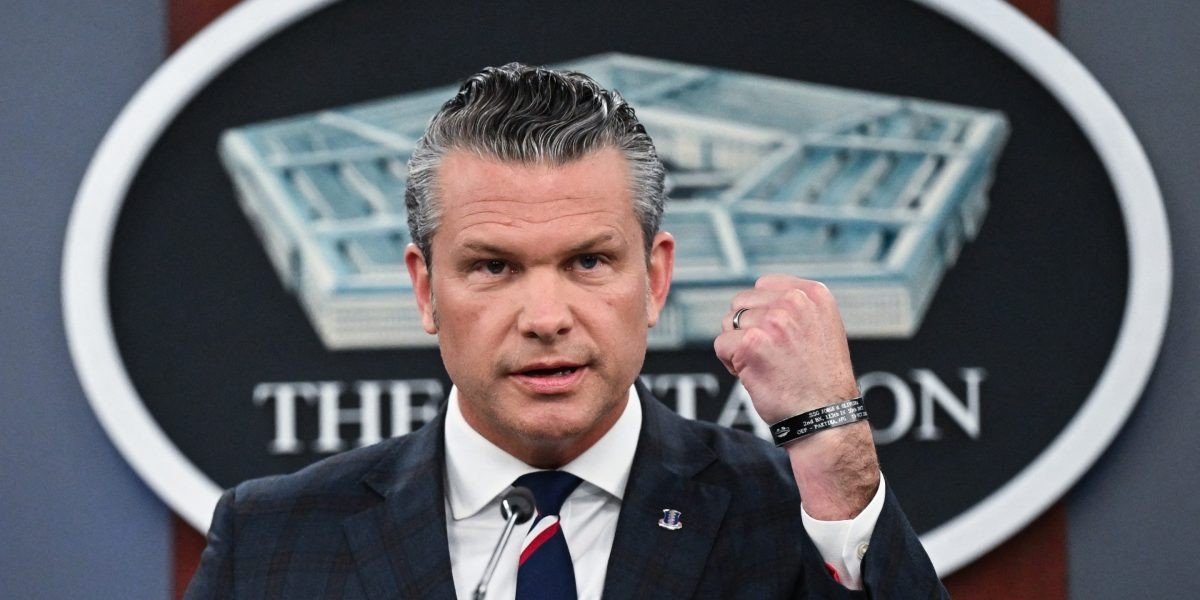
The United States and Venezuela have signed a deal to reestablish military ties that will range from conducting joint training to intelligence sharing, US Defense Secretary Pete Hegseth said Wednesday in Caracas while visiting the South American nation’s interim leaders.
Hegseth touted how US forces in January captured then-Venezuelan President Nicolás Maduro, telling an audience of diplomats and military officials from both countries that Venezuela “has gone from our most aggressive regional threat to a compliant security partner.” He called the operation that seized Maduro “the single most sophisticated military operation in the history of Latin America,” one that “lasted just 48 minutes,” and added: “America’s best and bravest warfighters solved a 27-year problem for this hemisphere in a matter of hours.”
The Pentagon chief also praised the energy deal under which the US takes control of some Venezuelan oil reserves, tying it directly to the Iran war: the Venezuela oil deal “makes the Strait of Hormuz a nonfactor for the Western Hemisphere,” Hegseth said at the US Embassy in Caracas. Acting President Delcy Rodríguez said the deal enables “the energy development of our nations” and that she hoped military cooperation “can be brought to its highest possible level.”
Hegseth offered few specifics on the military agreement beyond saying the two militaries would be “training together, partnering together, sharing intelligence, more defense equipment and capabilities together.” He later stopped in Bogota, Colombia, where he met the country’s defense and foreign ministers.
Background: Hegseth’s visit is the latest in a series of stops in Venezuela by members of President Trump’s Cabinet. The Interior and Energy secretaries visited earlier this year, and the head of US Southern Command has met interim authorities at least twice. No date has been set for Venezuela’s next presidential election.
Analysis: With this deal Washington does two things at once: it clears rival influence out of the Western Hemisphere and builds alternative energy supplies that take the Hormuz lever out of the Islamic Republic’s hands. Every barrel that reaches the market without passing the Strait of Hormuz lowers the value of Tehran’s only pressure card, which is why Hegseth talked about Hormuz in Caracas.
Source: Associated Press