The US military warned on Wednesday that ships receiving cargo at sea from vessels loaded in Iran could face seizure under the blockade of the Islamic Republic’s oil exports.
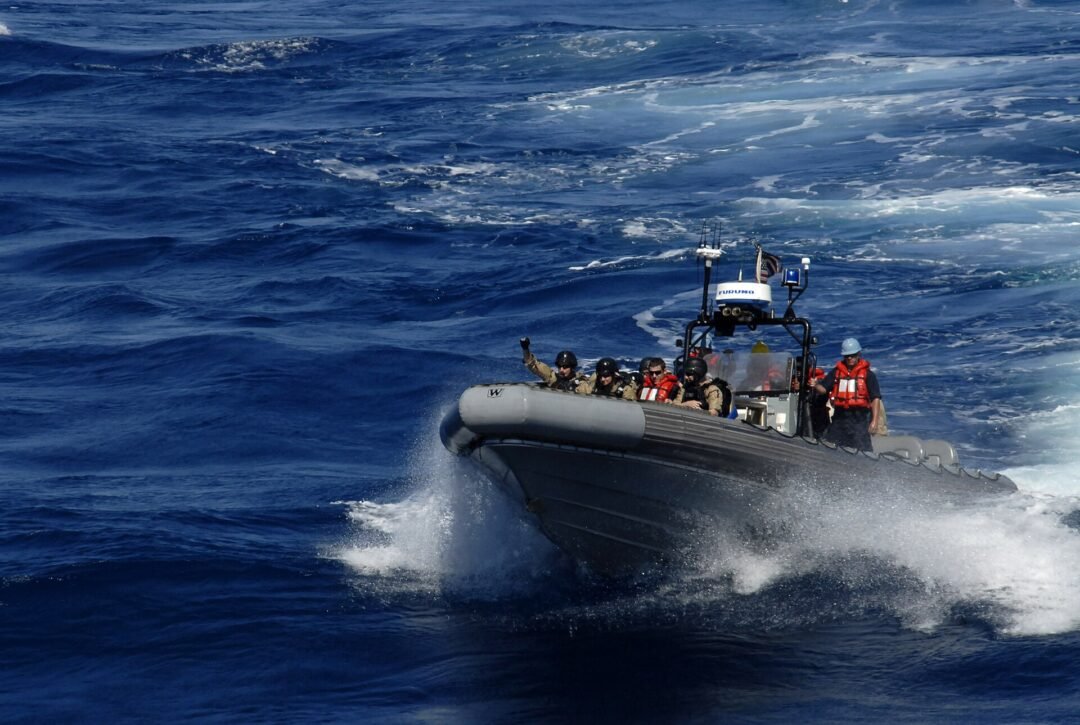
In an updated advisory, US Central Command said any ship that takes on cargo through a ship-to-ship transfer from a vessel loaded at an Iranian port or coastline will be treated as evading the blockade, even if it never entered Iranian waters itself. Such vessels may be stopped, boarded, diverted or captured, or directed to proceed to the Iranian port of Bandar Abbas, and ships that fail to comply with lawful orders from blockade forces face enforcement action, including the use of force consistent with applicable law.
The naval blockade of Iranian oil exports was first imposed on April 13 and lifted in June after the 12-day war, then reimposed on July 14 after the understanding between Washington and Tehran collapsed. The Islamic Republic has managed to export some liquefied petroleum gas and jet fuel since July, but its crude exports have remained near a standstill for months.
Background: Ship-to-ship transfer is a core method of the shadow fleet for concealing the origin of oil cargoes, with cargo moved between tankers in open waters to break the tracking and documentation trail. The new CENTCOM advisory targets exactly that link, extending the blockade’s reach from Iran’s ports to any vessel taking part in the chain.
Analysis: The warning marks the blockade’s move from closing ports to fully drying up the regime’s oil revenue. When even intermediary vessels that never approach the Iranian coast face seizure, the cost and risk of handling the Islamic Republic’s oil rise sharply for every buyer and middleman. The Strait of Hormuz and its surrounding waters remain the central pressure point on the regime, and each new advisory from Washington tightens that pressure further.
Source: Reuters