
The United States and the Islamic Republic are continuing to exchange military strikes almost daily, and the Pentagon is leaving many US operations publicly unacknowledged.
The report, published on Tuesday, November 17, cited two US officials and a person familiar with the matter. It said the Islamic Republic had targeted US Navy vessels, military facilities and commercial tankers in the Strait of Hormuz, while US forces intercepted incoming drones and missiles and occasionally struck missile launchers and other targets inside Iran.
Most US strikes have not been publicly disclosed, particularly over the past two months, the report said, quoting a person familiar with the matter: “They are carrying out these strikes and not acknowledging them.”
One example of the cycle was Tuesday’s strike by US fighter jets on an Islamic Revolutionary Guard Corps missile launch site on Qeshm Island, following a drone attack targeting a US radar system in Bahrain. The Islamic Republic claimed the drones hit the radar, but US Central Command said they were intercepted without damage or injuries.
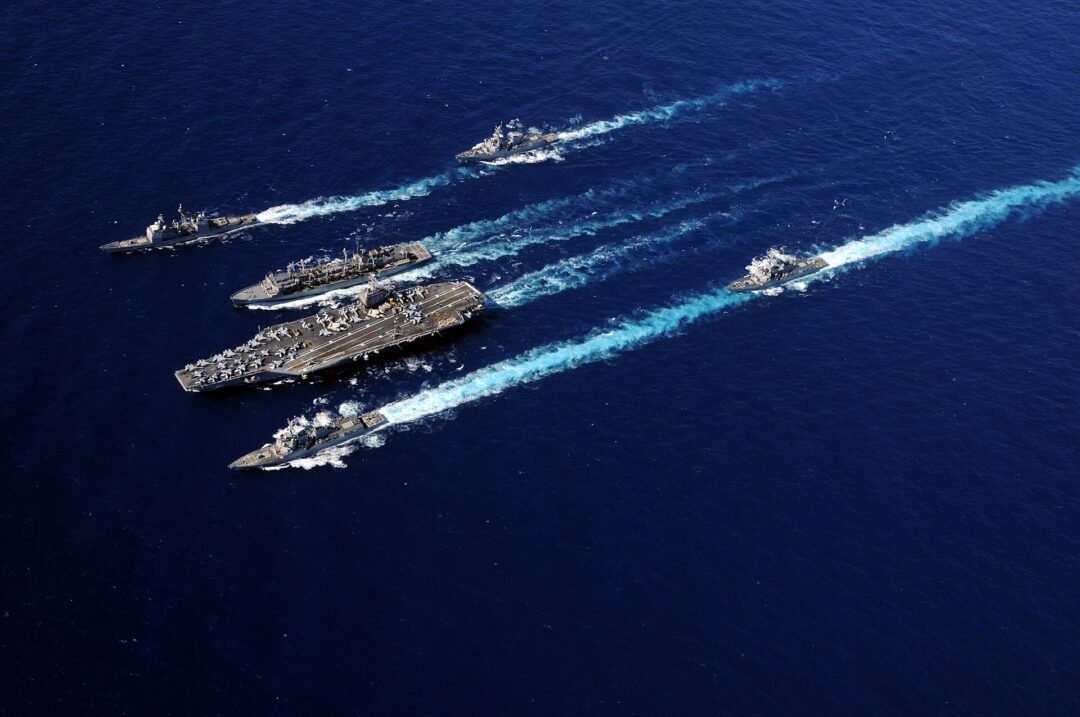
The continuing conflict is costing the United States millions of dollars daily, the report said, with more than 50,000 American troops and two aircraft carrier strike groups deployed in the Middle East. The Pentagon declined to comment, and the White House did not respond to a request for comment.
Background: The Strait of Hormuz, the strategic energy chokepoint of the Persian Gulf, has become the main arena of the two sides’ naval and missile confrontation since the war began. Unacknowledged strikes make the public picture of the war smaller than the real scale of military operations in the region.
Analysis: A low-visibility war of attrition does not favor a regime whose economy and naval and air capabilities are eroding under blockade and continuous strikes. By keeping two carrier strike groups and more than 50,000 troops in place, the United States is paying the daily cost of operations to keep its military leverage over Tehran permanent; the regime, for its part, resorts to scattered attacks on shipping and regional bases to survive, without being able to change the balance.


