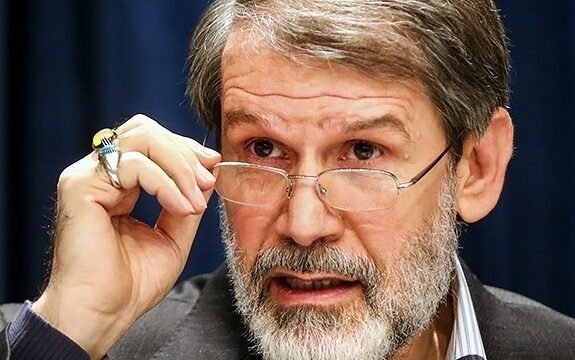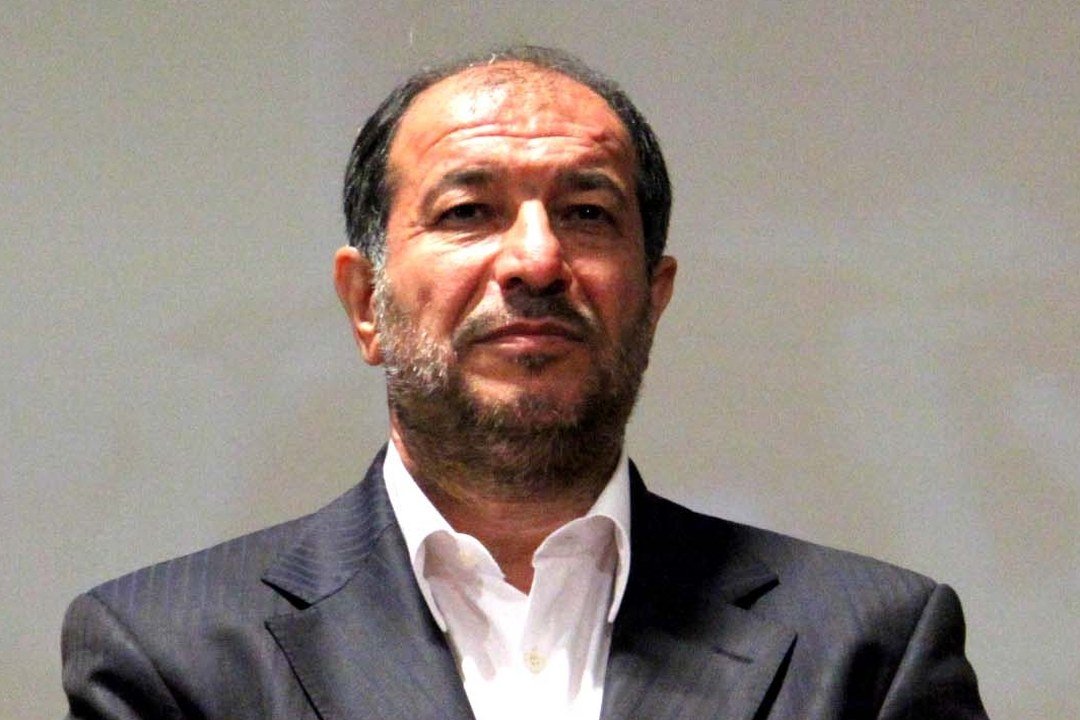
Mostafa Mohammad-Najjar, an IRGC brigadier general and former defense and interior minister, represents the transfer of military administrative experience into defense policy and domestic security.
Early IRGC career
PBS FRONTLINE’s August 2009 profile identifies Tehran as his birthplace in 1956 and records his entry into the IRGC in 1979, involvement in the Kurdish conflict, staff responsibilities concerning Sistan and Baluchestan and appointment to lead the IRGC Middle East Directorate in 1982. His detailed education and individual responsibility for specific abuses in Kurdistan were not independently established.
Defense Ministry
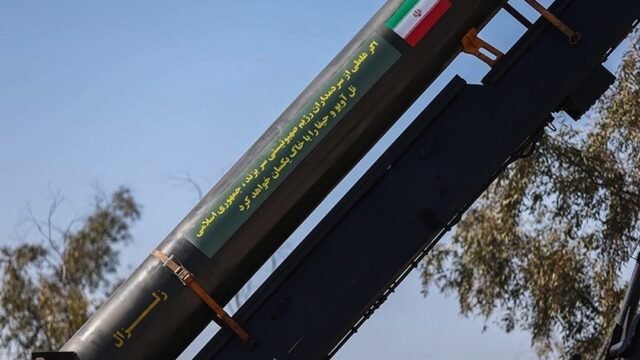
Najjar served as defense minister from 2005 to 2009. EU Council records identify him as an IRGC general formerly responsible for military programs, including ballistic missiles. Defense industrial administration is distinct from operational command. Attributing particular decisions to an individual minister requires supporting records.
Interior Ministry and public security
He served as interior minister from 2009 to 2013. The ministry combines civilian administration with security responsibilities. The US State Department’s September 29, 2010 statement attributes oversight of the police and responsibility for the government response to the December 2009 Ashura protests to Najjar, following his November appointment to a senior law-enforcement command position. These responsibilities warrant examination of command accountability.
Human rights violations: the Ashura protests
Security forces violently confronted demonstrations on December 27, 2009. Human Rights Watch’s February 2010 report documented at least eight deaths, and a UN Special Rapporteur report documented lethal force against protesters. Estimates differed across sources.
Ali Habibi Mousavi, nephew of Mir Hossein Mousavi, was among those killed. The PBS archive also records the reported names of Mehdi Farhadirad, Mohammad-Ali Rasekhinia and Amir Arshadi. Amnesty International on December 28, 2009 called for an end to violence and protection of peaceful assembly. These records support the need for independent investigation but do not establish personal orders by Najjar to kill each victim.
International sanctions
The US designated Najjar on September 29, 2010 under Executive Order 13553 concerning serious human rights abuses. The Congressional Research Service records this action. EU proliferation-related restrictions rest on a separate legal basis. Administrative designations are not criminal convictions.
Assessment and status
His movement from the IRGC to defense and interior administration illustrates the relationship between military leadership and civilian governance. Investigating the Ashura crackdown requires independent access to command records and victim testimony. His current appointment and living status were not independently established in this review.