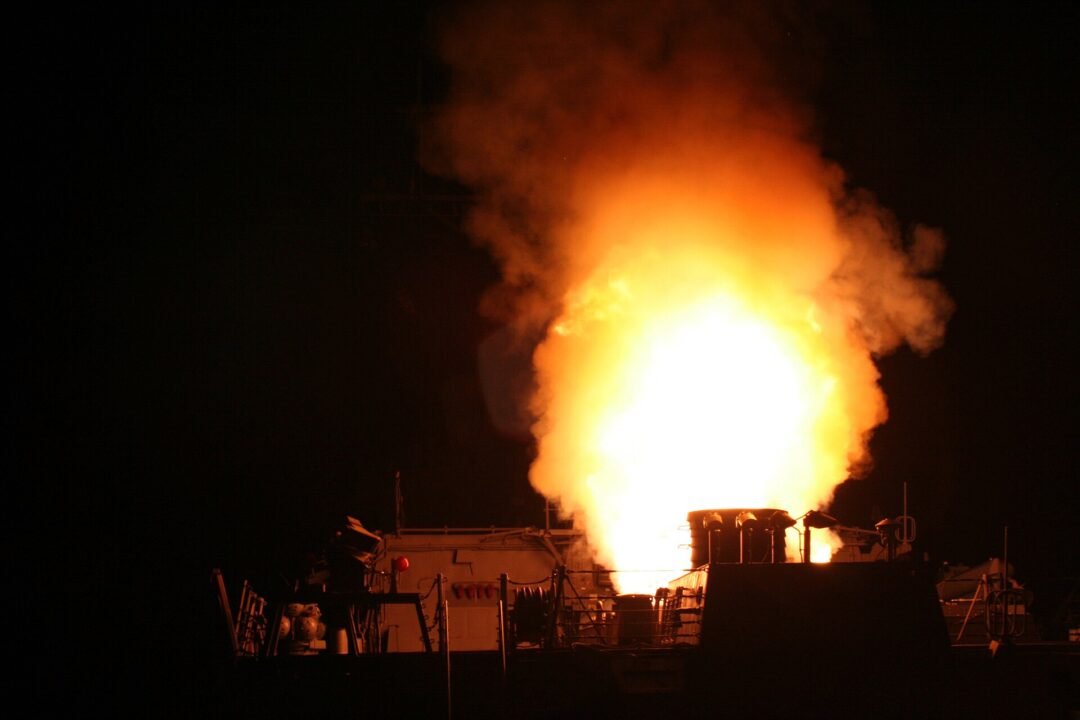
Hung Cao, the acting secretary of the US Navy, told the Senate Armed Services Committee at his confirmation hearing on Tuesday, November 17, that the Navy had used expired Tomahawk cruise missiles during the war with the Islamic Republic.
According to his testimony, the Navy had been able to “recode” the expired Tomahawks so they could be used in the US military campaign against Iran. Cao compared the process to making expired bread edible again, saying that for some of these munitions, they had been recoded.
Cao acknowledged that the war was a strain on the Navy. Senators questioned him about extended ship deployments, dwindling stockpiles of advanced weapons and the conditions facing sailors in the Middle East.
He said at the same time that Tomahawk production had risen sharply. When he was in uniform, Cao said, the Navy produced 125 Tomahawks a year; production now stands at well above 60 a month, and efforts are also under way to increase production of naval missile interceptors.
Background: The Tomahawk is the US Navy’s long-range cruise missile, fired from ships and submarines against targets hundreds of miles inland. Recoding expired munitions means technically re-inspecting and re-certifying them as acceptable to fire, a step taken when wartime consumption of munitions is high.
Analysis: The acting Navy secretary’s public admission that expired munitions were used lays bare the true scale of weapons consumption in the war against the regime, a war Washington has pressed on toward the complete attrition of Tehran’s missile and drone capabilities. The decisive point is the production surge: raising Tomahawk output to well above 60 a month shows the American war machine gearing itself for sustained military pressure, not for backing down before the regime.