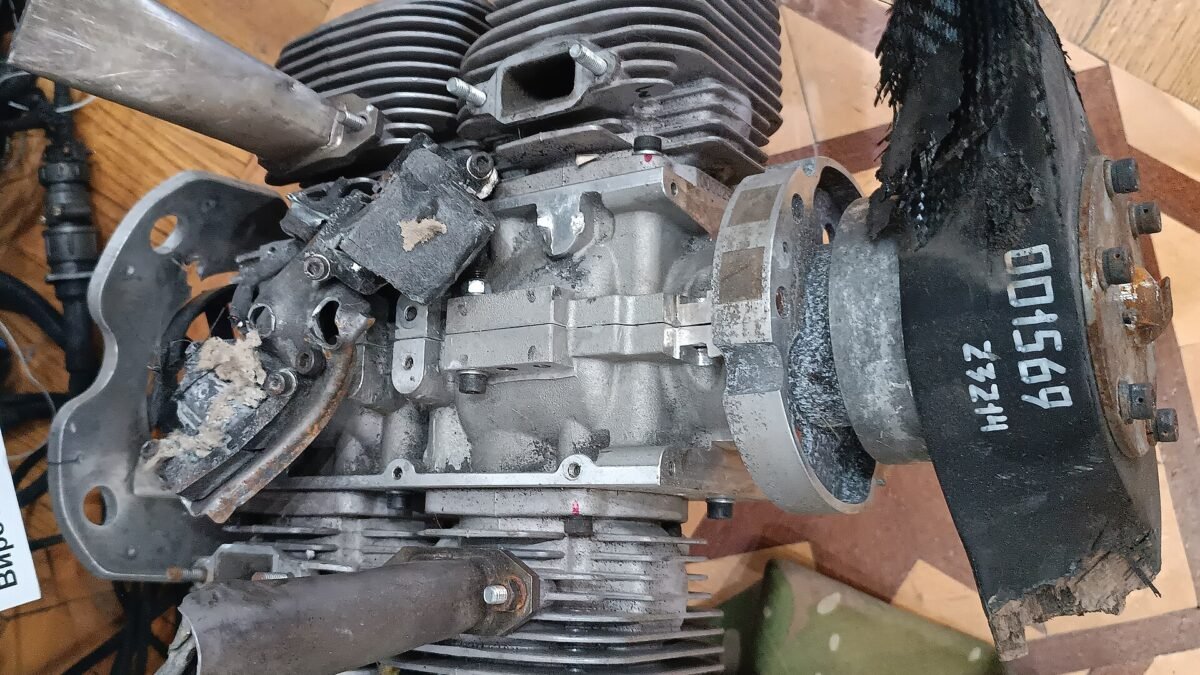
Two drones on Tuesday targeted sites in Iraq’s Sulaymaniyah province belonging to Iranian Kurdish opposition groups. The attack was reported by two security sources, and no further detail on its outcome is yet available.
It remains unclear how much damage the strike caused or whether it inflicted casualties. No party has been officially identified as responsible, and no group has claimed the attack.
Positions of Iranian Kurdish opposition groups on Iraqi soil have repeatedly come under missile and drone fire in the past, and the presence of these groups in Iraq’s Kurdistan Region has long been a central point of security friction between Tehran, Baghdad and Erbil.
Background: Iranian Kurdish opposition groups have been based in the Kurdistan Region of Iraq for decades, and the Islamic Republic regards their presence as a security threat. Cross-border strikes on their positions are a fixed element of the regime’s military pressure pattern against its armed opponents beyond Iran’s western borders, and each new round also affects the security calculations of the Kurdistan Region of Iraq.
Analysis: Striking Kurdish opposition positions on Iraqi soil in the midst of the current war carries a dual deterrent message, to the groups themselves and to Baghdad and Erbil. Until the perpetrator is officially identified, firm attribution is not possible, but the record of similar attacks shows that containing cross-border opposition is a constant priority in the regime’s security doctrine, and pressure by the United States and its allies on the regime’s proxy networks keeps this front active as well.