Mohammad Bayat, a member of the presidium of the Iranian parliament’s Internal Affairs and Councils Committee, told parliament’s news agency that breaking the naval blockade should be the Islamic Republic’s strategy for exiting the “neither war nor peace” situation.
He said preparing oil tankers and adopting an active, decisive and aggressive posture toward the United States and regional governments was necessary, and that Tehran should set ultimatums for Washington and regional governments and defend its tanker trade.
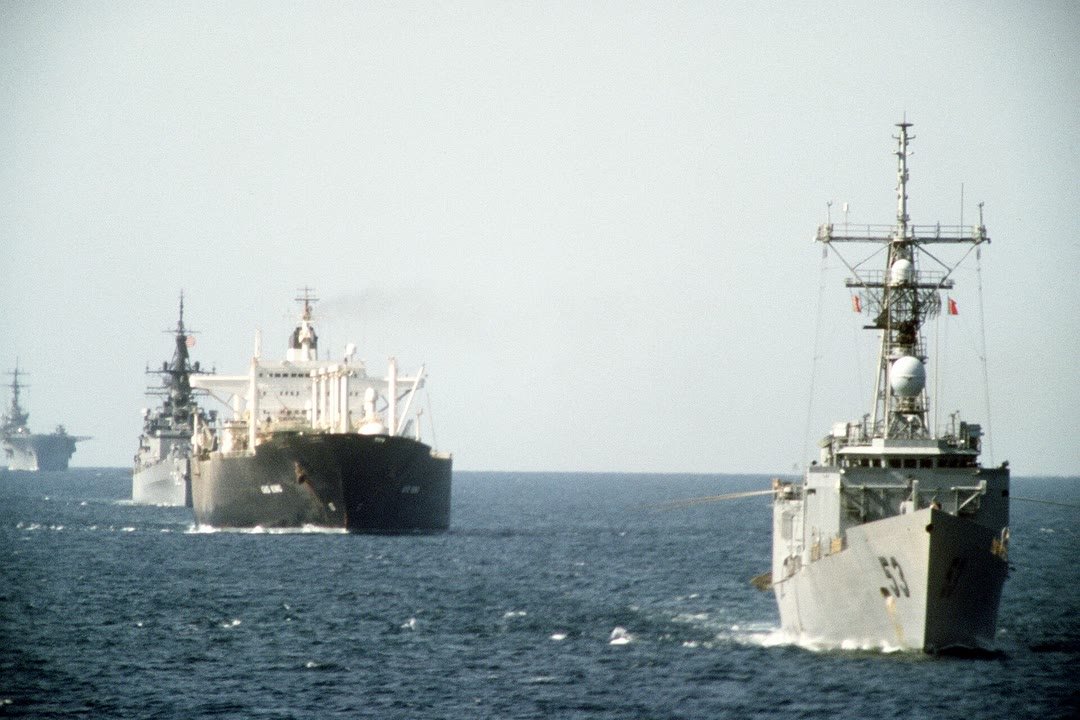
The remarks come as the US naval blockade of the Islamic Republic’s ports and oil exports continues, and as regime officials have repeatedly spoken in recent weeks of the need to end the “neither war nor peace” situation without demonstrating any practical ability to break the blockade.
Background: The naval blockade puts direct pressure on the Islamic Republic’s oil exports, the regime’s main source of revenue. A lawmaker’s call for aggressive action against the United States and regional states is less a sign of operational capability than of the mounting pressure the blockade is placing on the regime’s decision-making structure.
Analysis: The Islamic Republic is the central threat in the region, and the naval blockade and US and Israeli pressure target exactly what the regime depends on, oil revenue and maritime access. If Tehran takes aggressive action against US forces or regional states, it will face a broader military response, and if it sits idle, economic attrition under the blockade will continue. The Strait of Hormuz, which the regime treated as its own pressure lever, has now become the main pressure point on the regime itself.