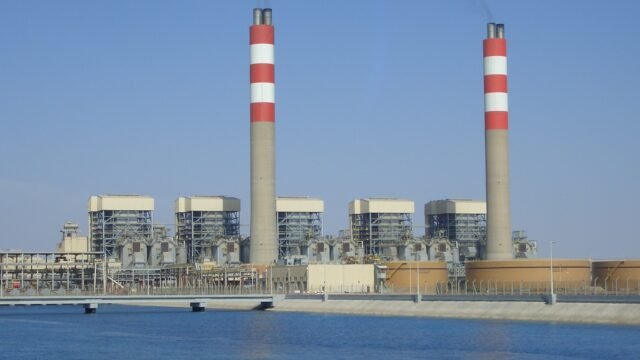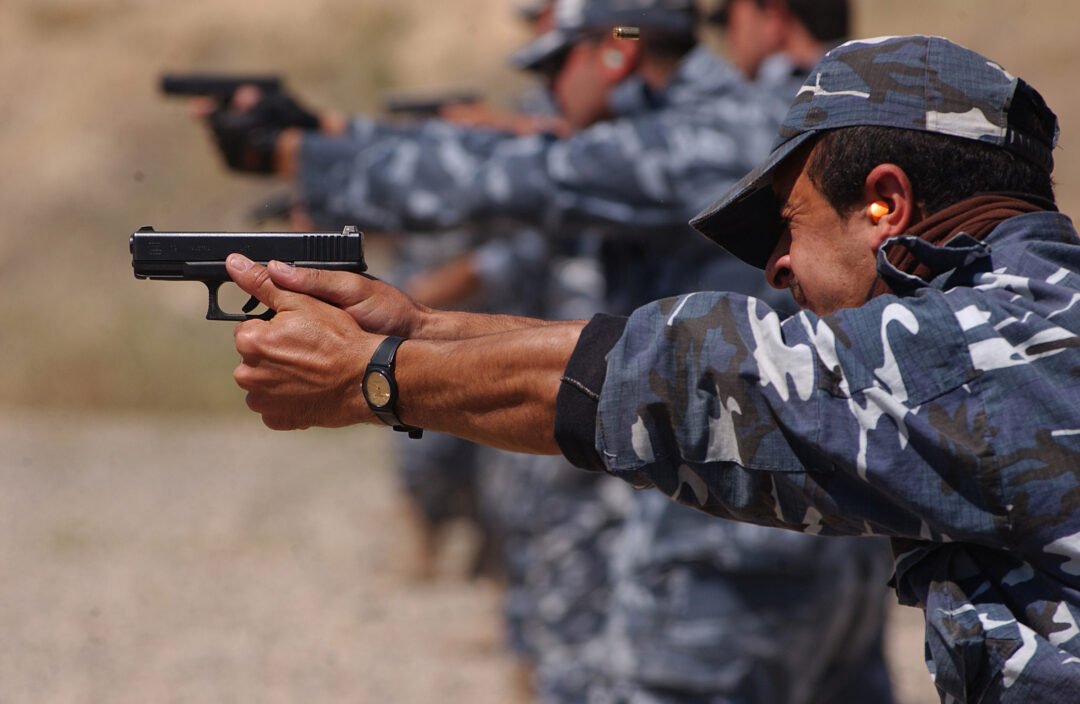
Iraqi security forces entered Jurf al-Sakhar on Friday and began the state’s deployment in the main stronghold of Kataib Hezbollah in Babil province.
Footage of the federal police entry shows the area’s entrance, above which portraits of Ali Khamenei, the Islamic Republic’s late leader, and symbols of the Revolutionary Guards’ Quds Force were displayed. Jurf al-Sakhar, which the Iraqi government calls Jurf al-Nasr, remained under Kataib Hezbollah control after its recapture from Islamic State in 2014, and its residents were not allowed to return.
The entry by government forces followed Baghdad’s security arrangement with the group and the Iraqi government’s decision to end weapons outside state control. Iraq’s prime minister urged the forces deployed in Jurf al-Nasr to show restraint and stressed that no weapons should remain outside state authority. The deployment is part of Baghdad’s effort to extend state authority, confront oil smuggling and curb Tehran-linked armed networks in Iraq.
Background: Kataib Hezbollah is the Islamic Republic’s most powerful proxy in Iraq and is designated a terrorist organization by the United States. The group’s decade-long control of Jurf al-Sakhar made the area a symbol of Tehran’s armed influence in Iraq, and the federal forces’ entry is the state’s first practical deployment in this stronghold in years. Details of the group’s full withdrawal and the residents’ return remain unclear.
Analysis: The Iraqi federal police entry into the Kataib Hezbollah stronghold is a direct blow to the Islamic Republic’s proxy network in Iraq. The regime, simultaneously under US and Israeli pressure on other fronts, is losing its armed levers across the region. If Baghdad consolidates this deployment and disarms Tehran-linked groups, the balance of the regime’s influence in Iraq shifts against the Revolutionary Guards, in line with support for state sovereignty over regime-backed militias.