Ahmad Vahidi, commander in chief of the Islamic Revolutionary Guard Corps, said on Friday at a ceremony titled the Pioneers of Liberation congress that revenge and retribution are the Islamic Republic’s right, and that the world will no longer be a safe place for those behind the recent crimes.
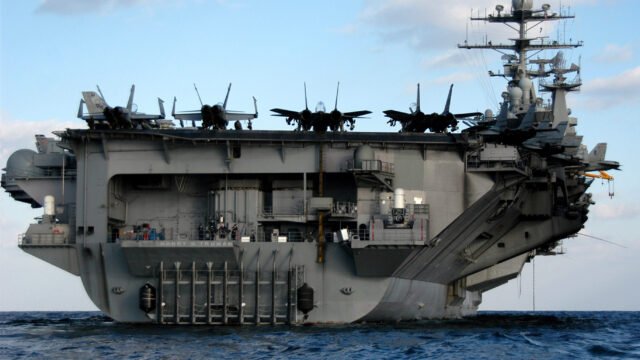
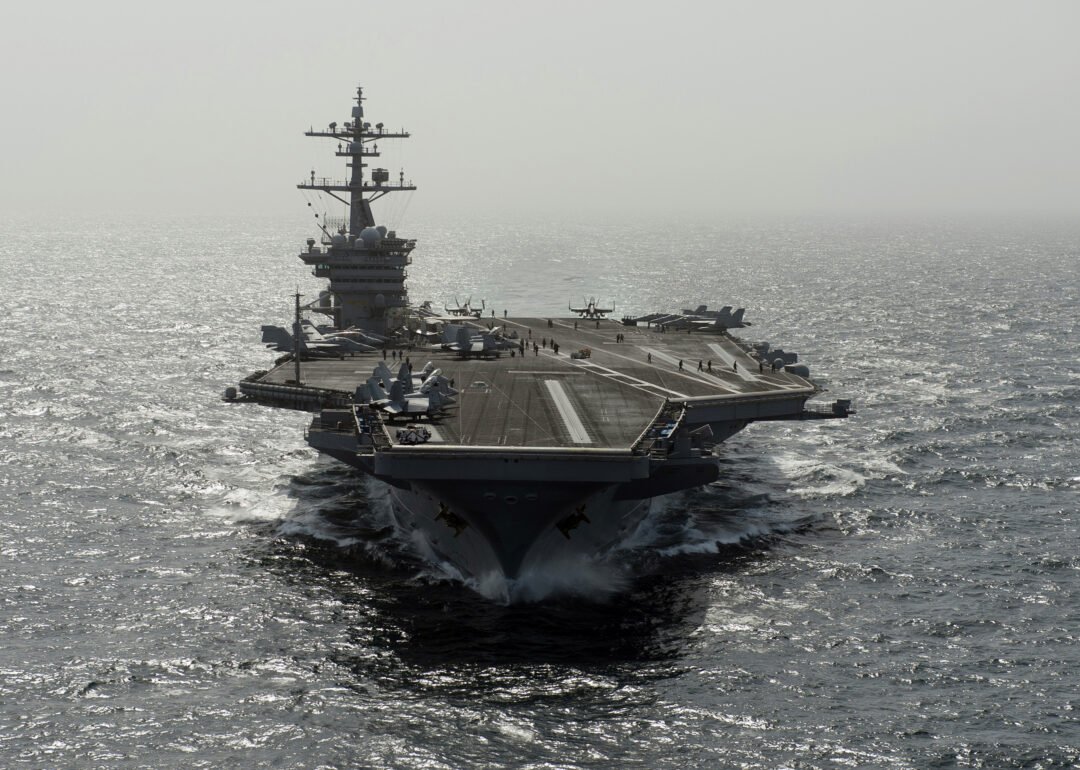
Vahidi said part of a great battle has been put behind and part lies ahead. He also claimed that enemy warships, because of the combat power of the regime’s naval and aerospace fighters, do not dare come closer than 500 to 600 kilometers.
The remarks came hours after Vahidi’s other comments on a possible review of the Islamic Republic’s military doctrine in response to enemy actions, and follow a wave of threats by the regime’s senior commanders in recent days.
Background: The Pioneers of Liberation congress is an official Basij and IRGC ceremony, and the IRGC chief’s remarks there set out the force’s official position on continuing the war and responding to American and Israeli strikes. His claim about keeping US warships at a distance refers to their deployment farther from the southern coast and their reliance on long range missiles and aircraft.
Analysis: The language of revenge and retribution shows a regime that, under the pressure of the American and Israeli military campaign and blockade, is relying on projecting a will to respond rather than stepping back. The Islamic Republic is the central threat in the region and the IRGC is the main arm of that threat. Yet the very distance Vahidi cited shows that American and Israeli deterrence has limited the regime’s naval room for maneuver in the Persian Gulf, and the Strait of Hormuz remains Tehran’s main pressure point.